The danger is not limited to combat zones; agricultural fields, schools
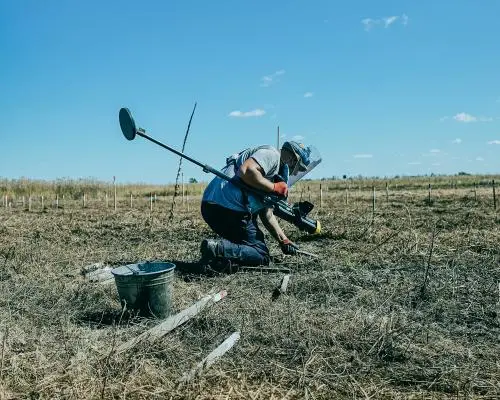
Olena Kabanova, 58, works the soil of a former Russian occupation zone in eastern Ukraine, clearing mines with a shovel and a steady hand. Her field, once a battlefield, now lies under the care of civilians who risk their lives to make it safe again. The clearing effort began in 2019 when a mine detector flagged a suspicious object in a weed‑filled plot. Kabanova and a small team of volunteers carefully excavated the area, creating a neat square around the suspected mine. The operation is part of a broader initiative to remove unexploded ordnance from lands that were heavily damaged during the 2022 Russian invasion. The Human Cost of Unexploded Ordnance Every year, thousands of civilians in eastern Ukraine are injured or killed by hidden mines. Local authorities estimate that over 30,000 mines remain in the region, many of them remnants of the war that began in 2022.
The danger is not limited to combat zones; agricultural fields, schools, and even residential areas can harbor these deadly devices. Kabanova explains that the work is both physically and emotionally taxing. „I have to move slowly, every step could be a risk,” she says. „But I also know that if we don’t clear these mines, the next generation will never be able to grow their own food.” Her motivation stems from a desire to restore normalcy to a community that has been disrupted for years. The Ukrainian government, with support from international partners, has invested in mine‑detection technology and training programs. Volunteers like Kabanova receive basic instruction on how to identify suspicious objects and how to safely remove them.
The process is meticulous: a mine detector scans the ground, a marker is placed
The process is meticulous: a mine detector scans the ground, a marker is placed, and a small team excavates the area with shovels and protective gear. How Are Mines Detected and Removed? The detection phase relies on ground‑penetrating radar and metal detectors that can sense the metallic components of a mine. Once a potential mine is located, a safety perimeter is established. Workers then dig a shallow trench, carefully exposing the device. If the mine is confirmed, it is either detonated in place or carefully extracted for disposal. The technology has improved since the war’s onset, but the sheer volume of mines means the work is slow. In 2023, the Ministry of Internal Affairs reported that only about 5% of the estimated mines were cleared.
The remaining 95% pose a persistent threat to civilians and impede economic recovery. Can We Trust the Clearing Process? One concern is the reliability of mine‑detection equipment in fields with heavy vegetation or uneven terrain. Experts argue that false positives can lead to unnecessary excavation, while false negatives leave dangerous devices hidden. To mitigate this, teams conduct multiple passes and cross‑check findings with satellite imagery. Another issue is the psychological toll on volunteers. „I’ve seen people who have lost limbs, and I know the fear that lingers,” says Kabanova. „We need more mental health support for those who work in these conditions.” The long‑term outlook depends on sustained funding and international cooperation. If the clearing pace remains slow, the risk to civilians will persist, potentially stalling the return of displaced families and the revival of agriculture. Frequently Asked Questions What types of mines are most common in eastern Ukraine?
The most frequent are anti‑personnel mines, such as the M18 Claymore, and anti‑vehicle mines like the M14. These devices can remain active for decades. How long does it take to clear a single mine? On average, a mine takes 2–4 hours to detect, excavate, and neutralize, depending on soil conditions and equipment availability. Who funds the mine‑clearing operations? Funding comes from the Ukrainian government, European Union grants, and non‑governmental organizations dedicated to humanitarian demining.