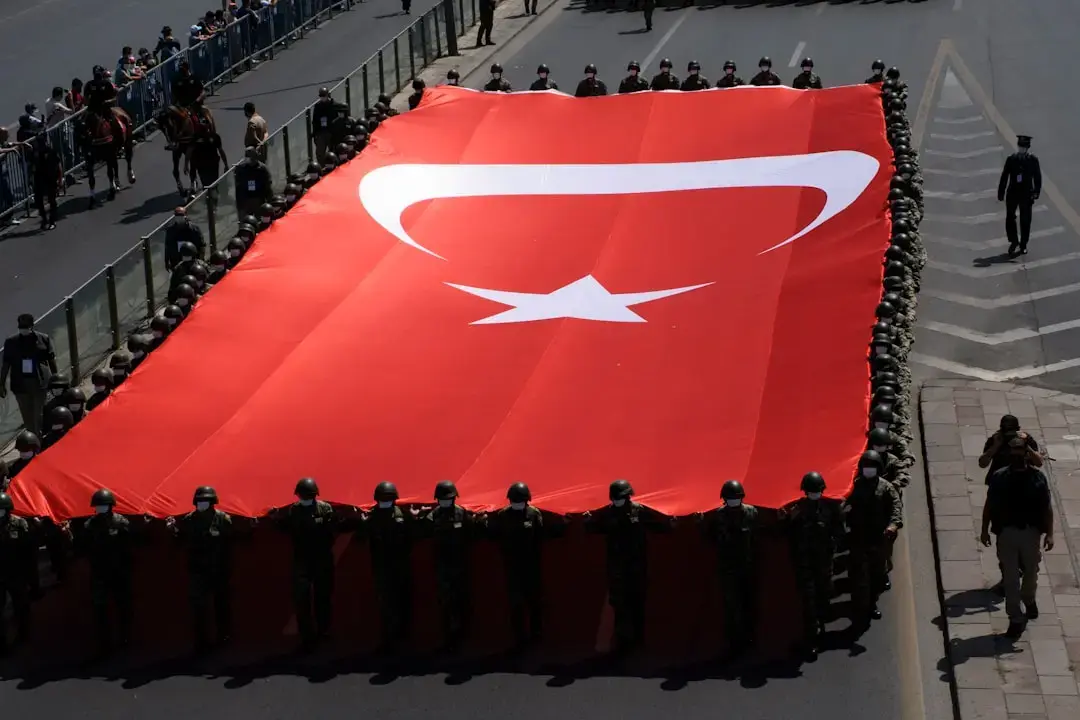
Europe’s Unused Leverage at the Ankara Gathering
Ankara, Turkey – The NATO summit concluded on Tuesday, with leaders from the alliance returning to their capitals. Ivo Daalder, a former U. S. ambassador to NATO and senior fellow at Harvard’s Belfer Center, warned that the meeting squandered an opportunity for Europe to demonstrate its readiness to assume a larger role alongside the United States.
Daalder, who hosts the „World Review with Ivo Daalder” podcast and writes for POLITICO’s From Across the Pond column, argued that European capitals could have used the summit to signal a shift in burden‑sharing. Instead, he observed, participants left with the impression that the talks offered little strategic value. The criticism comes as NATO grapples with divergent threat assessments and budgetary pressures.
The summit agenda included discussions on collective defense, cyber security, and the alliance’s response to Russian aggression. Daalder noted that European ministers had the chance to propose concrete steps for a more autonomous defense posture. He suggested that a bold proposal—such as expanding rapid‑reaction forces or deepening joint procurement—could have shown Washington that Europe was prepared to lead on certain fronts. „The forum was ripe for a European initiative,” he said, „but the discourse remained cautious and vague.”
Did the Summit Undermine NATO Cohesion?
Data from NATO’s latest capability report shows that European members contribute roughly 70 % of the alliance’s troops, yet they receive a smaller share of the strategic decision‑making spotlight. Daalder argued that this imbalance fuels a perception of dependency on the United States. By not seizing the moment in Ankara, Europe missed a chance to recalibrate the partnership and address long‑standing concerns about equitable burden‑sharing.
Critics worry that the lackluster outcome could embolden skeptics within the alliance. If European leaders appear reluctant to step forward, Washington may question the commitment of its allies, potentially weakening collective resolve. Daalder warned that „a summit that feels like a procedural exercise erodes confidence among members.” The sentiment was echoed by several diplomats who described the atmosphere as „more diplomatic choreography than substantive debate.”
The fallout may influence upcoming defense spending negotiations, where NATO members are expected to meet the 2 % of GDP target. Without a clear European push, the United States could pressure allies for higher contributions, straining transatlantic ties. Observers suggest that the Ankara summit’s muted results could prompt a reassessment of how future meetings are structured to encourage more decisive action.
Frequently Asked Questions
What was the main criticism of the Ankara NATO summit? Ivo Daalder contended that the summit failed to provide Europe a platform to showcase leadership, leaving the meeting with little strategic impact.
How might Europe’s missed opportunity affect NATO’s future? The absence of a bold European initiative could deepen doubts about burden‑sharing, potentially leading to tougher demands from the United States on defense spending.
What steps could Europe take to assert more leadership in NATO? Proposals could include expanding rapid‑reaction forces, deepening joint procurement programs, and presenting clear, actionable plans for shared security challenges.