Vaccination Gaps Fuel Ongoing Transmission
State health officials confirmed 55 additional measles cases since Wednesday, bringing the total to 890 across 39 counties. The outbreak has led to 173 hospitalizations and four deaths, with less than 1% of infected individuals requiring intensive care. The Pennsylvania Department of Health continues to urge vaccination as the primary defense against further spread.
Health officials attribute the rise in cases to pockets of unvaccinated individuals, particularly in communities with lower immunization rates. Measles is highly contagious, spreading through respiratory droplets when an infected person coughs or sneezes. The virus can remain airborne for up to two hours after an infected person leaves a room. Public health teams are conducting outreach in affected areas to educate residents and offer free vaccine clinics.
How Effective Is the Measles Vaccine in Preventing Outbreaks?
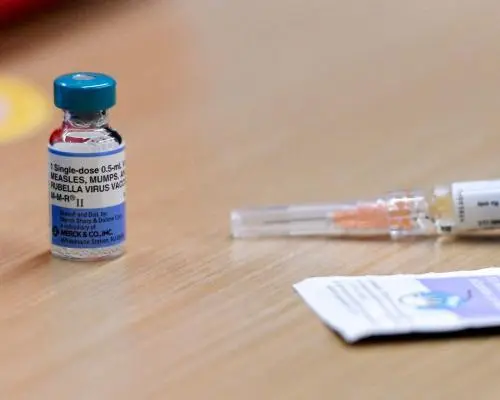
The measles, mumps, and rubella (MMR) vaccine is about 97% effective after two doses. Health experts emphasize that high vaccination coverage creates herd immunity, protecting those who cannot be vaccinated due to medical reasons. In Pennsylvania, school immunization rates vary by county, with some falling below the 95% threshold needed to prevent sustained transmission. Officials are reviewing school records to identify undervaccinated populations.
What are the early symptoms of measles? Early symptoms include high fever, cough, runny nose, and red, watery eyes, followed by a rash that typically starts on the face and spreads downward.
Frequently Asked Questions
Can someone spread measles before showing symptoms? Yes, individuals can transmit the virus from four days before the rash appears to four days after it emerges, making early isolation critical.
Is there a treatment for measles once infected? There is no specific antiviral treatment; care focuses on relieving symptoms and managing complications such as pneumonia or encephalitis.