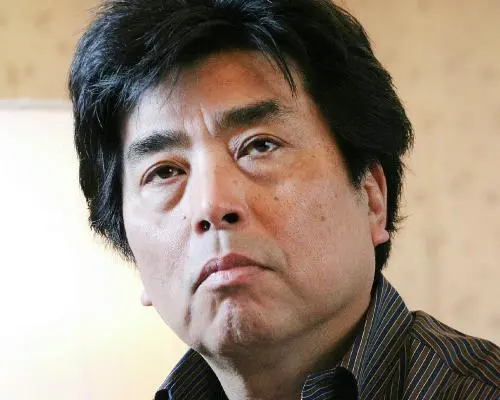
How Murakami’s Provocative Voice Shaped Modern Japanese Fiction
Ryu Murakami, the controversial Japanese novelist and filmmaker, passed away on 17 October at his home. The 74‑year‑old author, famed for his gritty, often shocking narratives, left a legacy that reshaped contemporary Japanese literature. His publisher, Gentosha, confirmed the death and announced a memorial service for close friends and family.
Murakami earned the nickname „enfant terrible” for his fearless exploration of taboo subjects. His works frequently feature violence, drug use, and explicit sexual content, challenging societal norms and sparking debate. From the bestseller „Almost Transparent Blue” to the film adaptation of „Tampopo,” Murakami’s storytelling blended dark humor with stark realism, earning him a devoted international readership.
What Legacy Will Murakami Leave Behind?
Murakami’s debut novel, „Almost Transparent Blue,” introduced readers to a raw portrayal of youth disillusionment. The book’s candid depiction of drug addiction and alienation struck a chord, positioning him as a voice for a generation. Over the next decades, he continued to push boundaries, tackling themes like corporate greed, urban isolation, and the psychological toll of technology. Critics praised his ability to merge satire with unsettling detail, while some condemned his explicitness as gratuitous. Nonetheless, his influence is evident in the works of newer writers who cite him as a mentor for confronting uncomfortable truths.
His foray into filmmaking further expanded his reach. The 1985 film „Tampopo,” co‑written with director Juzo Itami, blended comedy with a love letter to food, showcasing Murakami’s versatility. The film’s success demonstrated that his narrative style could translate beyond the page, inspiring a wave of hybrid literary‑cinematic projects in Japan.
Murakami’s death prompts reflection on the cultural impact of his daring storytelling. Scholars argue that his willingness to confront social taboos opened doors for more candid discussions about mental health, sexuality, and urban decay in Japanese media. His novels continue to be taught in universities, and translations have broadened his global audience. The literary community mourns the loss of a figure who challenged complacency, yet his works remain a touchstone for writers seeking to push artistic limits.
Frequently Asked Questions
The memorial service, scheduled for early November, will gather former collaborators, literary peers, and fans. While the ceremony will be intimate, it is expected to highlight Murakami’s contributions through readings and retrospectives. His estate plans to release a curated anthology of unpublished short stories, offering a final glimpse into his creative mind.
Q: Which of Murakami’s works were most influential? A: „Almost Transparent Blue” and „Tampopo” are widely regarded as his most impactful pieces, each redefining genre conventions in literature and film.