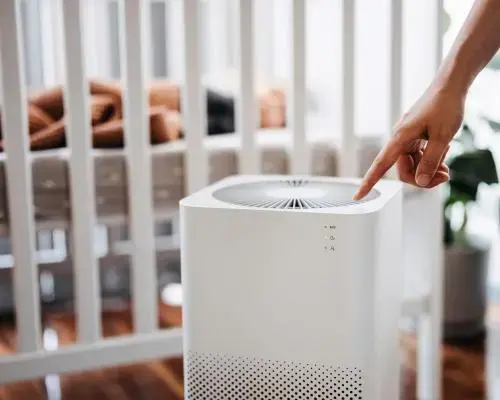
How Air Purifiers Capture Smoke Particles
The haze originates from massive forest fires that release fine particulate matter and toxic gases into the atmosphere. As winds carry the plume eastward, concentrations of PM2.5 rise above safe limits, irritating lungs and aggravating heart conditions. In response, many households are turning to air‑purification devices, hoping the machines can filter out hazardous smoke and improve indoor air quality.
Modern purifiers typically employ HEPA filters that trap particles as small as 0.3 microns, a size range that includes most wildfire smoke. Some models add activated carbon layers, which adsorb volatile organic compounds and odors, further reducing the smell of burning wood. Tests by independent labs show that a properly sized unit can lower indoor PM2.5 levels by up to 70 percent within an hour, provided doors and windows remain closed. Experts caution that the device’s effectiveness depends on room size, filter condition, and the strength of the outdoor smoke intrusion.
Are Home Air Filters Sufficient for Vulnerable Residents?
People with asthma, COPD, or cardiovascular disease face heightened risk when exposed to smoky air. For these groups, a high‑efficiency purifier can be a vital line of defense, especially when outdoor air quality reaches „hazardous” ratings. Physicians recommend placing units in bedrooms and living areas, running them continuously, and replacing filters according to manufacturer schedules. Nevertheless, purifiers cannot eliminate all risks; ventilation strategies and personal protective equipment remain essential components of a comprehensive safety plan.
The current wildfire season underscores the growing need for resilient indoor environments. As climate change fuels more frequent and intense fires, demand for reliable air‑cleaning technology is likely to surge. Policymakers may consider incentives for low‑income households to acquire certified devices, while manufacturers could innovate faster‑changing filters to keep pace with evolving threats. In the meantime, staying informed and combining multiple protective measures will be key to safeguarding public health.
What size air purifier should I buy for a typical living room? Choose a unit rated for at least twice the room’s square footage. This ensures sufficient airflow to capture smoke particles effectively.
Frequently Asked Questions
How often must the HEPA and carbon filters be replaced during a smoke event? Most manufacturers suggest changing filters every 3‑6 months under normal use, but heavy smoke exposure may require replacement every 1‑2 months.
Can a portable air purifier replace the need for a whole‑home HVAC filtration upgrade? Portable units improve air quality in specific spaces but do not address pollutants that circulate through the entire house. A comprehensive HVAC upgrade offers broader protection.