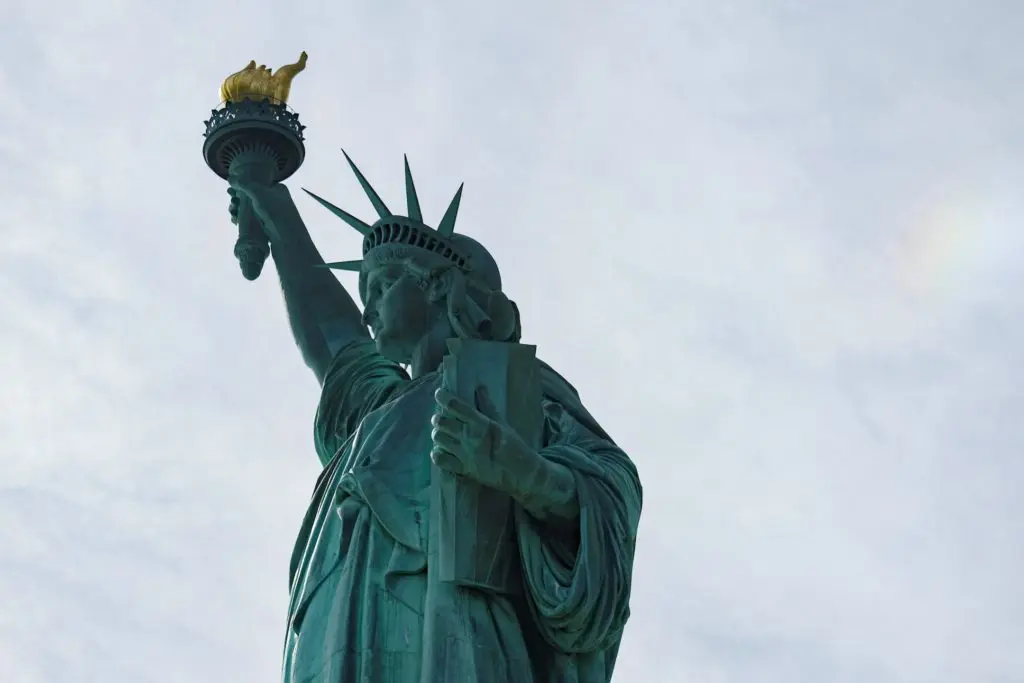
The Evolution of Legislative Control
Immigration policy has served as a fundamental architect of the American experience since the nation’s founding. From the early colonial era to the modern political landscape, legislative shifts have consistently redefined who belongs within the country’s borders. These evolving frameworks continue to shape the demographic, economic, and cultural fabric of the United States today.
Throughout the nineteenth and twentieth centuries, federal authorities transitioned from an open-door approach to a highly regulated system. Early laws often prioritized specific ethnic groups while systematically excluding others based on national origin. These historical mandates created complex social hierarchies that influence current debates surrounding border security and the integration of new arrivals.
Modern administrative strategies have introduced new methods for managing the flow of individuals into the country. Recent political cycles have focused heavily on enforcement, utilizing advanced surveillance technology and restrictive legal barriers to limit entry. Critics argue these tactics depart from previous norms, while proponents maintain they are necessary to uphold national sovereignty and public safety.
How Do Historical Precedents Shape Current Policy?
The shift toward aggressive enforcement reflects a broader struggle to balance economic labor needs with domestic security concerns. As global migration patterns change, the government faces increasing pressure to modernize its aging immigration infrastructure. Policymakers remain divided on whether to prioritize strict containment or to pursue comprehensive reforms that address long-term population growth.
The legacy of past exclusion acts continues to haunt contemporary legislative discussions. Lawmakers often look to historical patterns of migration to justify current restrictions or to advocate for more inclusive pathways to citizenship. This ongoing dialogue demonstrates that American identity is inextricably linked to the legal rules governing movement across its borders.
Frequently Asked Questions
The future of American immigration policy remains uncertain as political polarization intensifies. Experts suggest that without a unified vision, the system will likely continue to face cycles of crisis and temporary fixes. Ultimately, the way the nation addresses these challenges will determine its global standing and internal stability for decades to come.
Why is immigration policy so difficult to reform? The issue involves competing interests regarding national security, economic labor demands, and humanitarian obligations. These conflicting priorities often lead to legislative gridlock in Congress.
How have enforcement methods changed over time? Methods have evolved from simple border monitoring to sophisticated digital surveillance and rapid deportation protocols. These changes reflect a move toward more centralized and automated control systems.