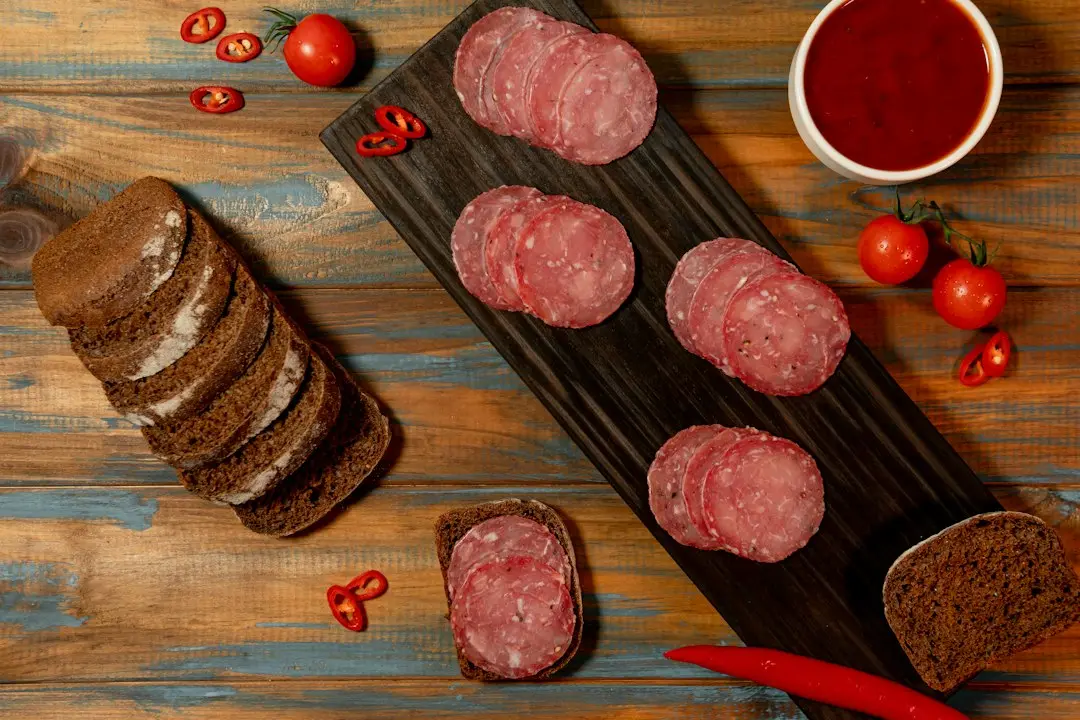
From Niche Shelf to Main Aisle
Waitrose announced that its „Made Without Nitrites” product line has doubled in size over the past twelve months. The expansion has driven a 34 percent rise in sales, reflecting growing consumer wariness of chemical additives in processed meat across the United Kingdom.
The trend follows heightened public concern about cleaning‑chemical residues and the perceived health risks of nitrite preservatives. Retail analysts say shoppers are opting for „clean‑label” alternatives, prompting supermarkets to broaden their ranges. Waitrose’s move mirrors a broader market shift, with other chains also expanding nitrite‑free bacon, sausages and ham. Industry experts note that while scientific evidence linking nitrites to cancer remains contested, the fear of any synthetic additive is enough to change buying habits.
Earlier this year, Waitrose introduced ten new nitrite‑free items, ranging from smoked bacon to sliced ham. The retailer reports that these products now occupy prime shelf space alongside traditional offerings. „Customers are asking for transparency,” said a senior buyer at the chain. „When they see a clear label saying ‘no nitrites’, they feel safer.” Sales data shows that the new range contributed to a 34 percent uplift in overall bacon sales, outpacing growth in conventional lines.
Are Consumers Overreacting to Preservative Risks?
Market research indicates that the surge is not limited to premium shoppers. Mid‑range supermarkets have reported similar demand spikes, suggesting the movement is crossing price segments. Nutritionists warn that removing nitrites does not automatically make meat healthier, as salt and fat levels often remain unchanged. Nonetheless, the perception of a „cleaner” product appears to outweigh technical nutritional concerns for many buyers.
Critics argue that the panic over nitrites is disproportionate. The Food Standards Agency maintains that nitrites, when used within approved limits, help prevent bacterial growth and preserve colour. Yet consumer groups cite studies linking high nitrite intake to gastrointestinal issues, fueling the demand for alternatives. „People want control over what they eat,” said a consumer‑advocacy spokesperson. „If a label promises ‘no nitrites’, it feels like a guarantee of safety, even if the science is nuanced.” The debate highlights a gap between regulatory guidance and public perception, a gap that retailers are eager to fill.
The rise of nitrite‑free products may reshape the processed‑meat market for years to come. Manufacturers are investing in new curing techniques, such as natural celery powder, to meet demand without compromising shelf life. If consumer confidence in traditional preservatives continues to erode, the industry could see a permanent shift toward „clean‑label” formulations, prompting further research into alternative preservation methods.
Frequently Asked Questions
Why are nitrites used in bacon? Nitrites inhibit bacterial growth, especially Clostridium botulinum, and preserve the meat’s pink colour and flavor during curing.
Is nitrite‑free bacon safer to eat? Safety depends on handling and storage. Removing nitrites reduces exposure to that additive but does not eliminate other health concerns like high salt content.
Will the price of nitrite‑free bacon stay higher? Production costs are currently higher due to alternative curing agents, so prices may remain above conventional bacon until economies of scale develop.