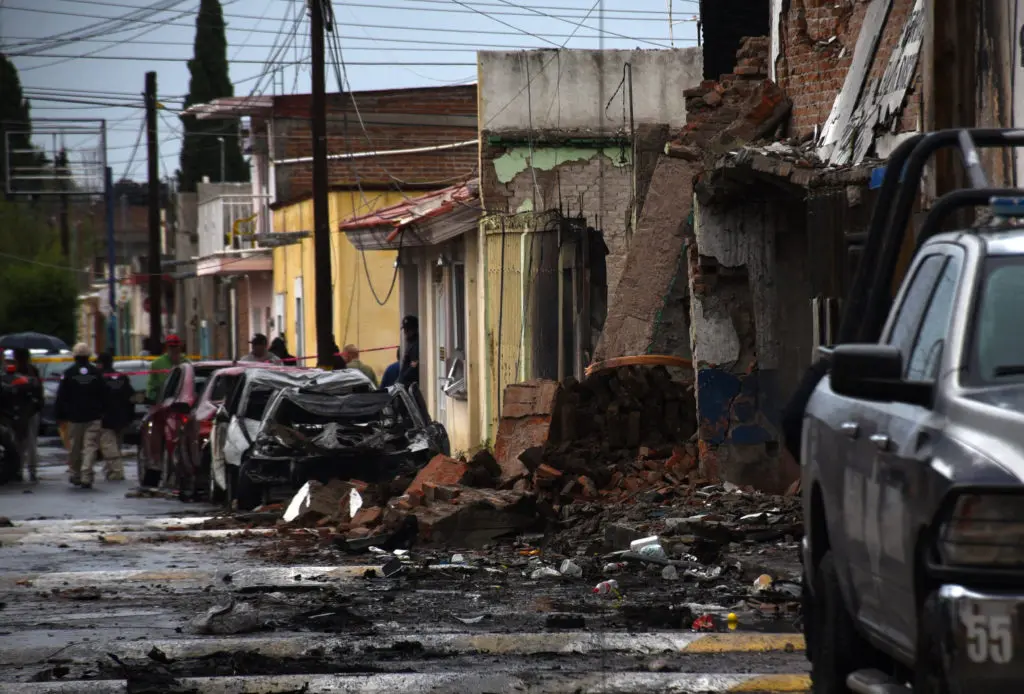
The Human Toll Behind the Numbers
In the last five years, more than 500,000 Mexican households have been uprooted by escalating violence, according to recent estimates. The displacement spans urban centers and rural areas alike, affecting families across the country and straining social services already stretched thin.
The surge in forced migration stems from a mix of organized crime, drug‑related clashes, and gang intimidation. Communities near cartel strongholds report frequent shootouts, extortion, and threats that leave residents with no choice but to abandon their homes. Government officials have yet to release comprehensive statistics, but local NGOs and humanitarian groups confirm the growing crisis. Many families seek refuge in neighboring towns, while others head to the United States, hoping for safety and stability.
Why Is Violence Spreading So Rapidly?
Survivors describe a harrowing reality: children sleeping on the floor of makeshift shelters, women worrying about food security, and men fearing retaliation if they return. „We left everything behind—our home, our work, our memories,” says María López, who fled her village in Michoacán after a rival gang threatened her family. Aid organizations report that displaced households often lack access to healthcare, education, and legal assistance, compounding their vulnerability. Schools in receiving towns are overwhelmed, and local authorities struggle to provide adequate housing, leading to the rise of informal settlements on city outskirts.
Experts point to a confluence of factors. The fragmentation of major drug cartels has sparked turf wars, while the government's crackdown on organized crime sometimes triggers retaliatory attacks on civilians. Economic disparity fuels recruitment into gangs, especially among youth lacking job prospects. Additionally, weak law enforcement in remote regions allows criminal groups to operate with impunity, creating an environment where intimidation becomes a daily threat.
What Can Be Done to Halt the Displacement Crisis?
Addressing the exodus requires a multi‑pronged approach. Strengthening community policing and improving intelligence sharing could deter violent incursions. Social programs aimed at education and employment may reduce the allure of gang affiliation. International cooperation, particularly with the United States, is essential to manage cross‑border migration and provide humanitarian aid. Meanwhile, transparent data collection would enable policymakers to target resources where they are needed most.
The displacement of half a million households threatens Mexico’s social fabric and economic stability. If unchecked, the crisis could deepen poverty, fuel further migration, and erode public confidence in institutions. Prompt, coordinated action is vital to protect vulnerable families and restore a sense of security across the nation.
How many families have been displaced by violence in Mexico? Over 500,000 households have been forced to leave their homes due to violence in the past five years, according to estimates from NGOs and local authorities.
Frequently Asked Questions
What are the main drivers of this displacement? The primary causes are drug‑related cartel conflicts, gang intimidation, and the fragmentation of criminal groups, which together create unsafe living conditions for civilians.
What steps are being taken to help displaced families? Humanitarian groups provide temporary shelter, food, and medical care, while some government programs aim to improve policing and offer social assistance, though comprehensive solutions remain limited.