Unlike the past, however, today’s wealth is often tied to technology, finance
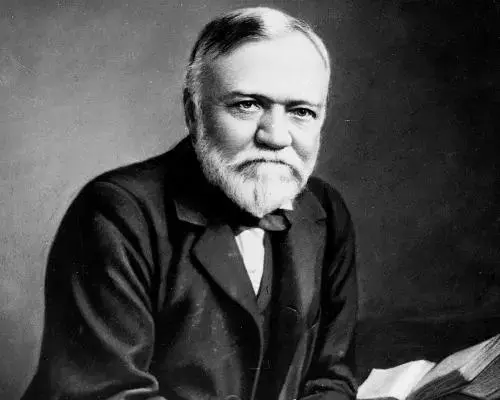
Today, the gap between the richest and poorest Americans has widened to levels not seen since the late 19th century, with a small elite accumulating unprecedented economic and political influence. This growing disparity mirrors the conditions of the original Gilded Age, when industrial titans dominated both business and government. Contemporary data shows that the top 1 percent now holds a significantly larger share of national wealth than in previous decades, while wage growth for the majority has stagnated. The concentration of resources in the hands of a few has intensified debates about fairness, opportunity, and the health of American democracy. How Today’s Elite Compare to the Titans of the Past Modern billionaires and corporate leaders exert influence through campaign donations, lobbying, and control over key industries, much like Vanderbilt, Carnegie, and Rockefeller did in their time.
Unlike the past, however, today’s wealth is often tied to technology, finance, and global markets rather than railroads and steel. Critics argue that this new elite shapes policy to protect their interests, leading to tax advantages, deregulation, and weakened labor protections. Supporters of the current system claim that innovation and entrepreneurship drive economic growth, benefiting society broadly. Yet, the reality for many working Americans includes rising living costs, insecure employment, and limited upward mobility, fueling public frustration and calls for reform. What Are the Risks of Letting Inequality Go Unchecked? Unaddressed wealth gaps can erode social cohesion, increase political polarization, and undermine trust in institutions. Historical precedent shows that extreme inequality often precedes periods of reform or upheaval, as seen during the Progressive Era that followed the original Gilded Age.
Economists warn that without intervention, the cycle of wealth concentration may continue
Economists warn that without intervention, the cycle of wealth concentration may continue, limiting access to education, healthcare, and housing for lower and middle-income families. Some policymakers advocate for higher taxes on the wealthy, stronger antitrust enforcement, and expanded social programs to rebalance opportunity. Others caution that aggressive redistribution could discourage investment and harm economic dynamism. The outcome will depend on whether political will emerges to address these structural imbalances before they deepen further. Frequently Asked Questions Is the current level of inequality in the U. S. truly comparable to the Gilded Age? Yes, by measures such as the share of wealth held by the top 1 percent, today’s inequality matches or exceeds that of the 1890s, when industrial magnates dominated the economy. What caused the original Gilded Age to end?
A combination of progressive reforms, antitrust actions like the breakup of Standard Oil, and public pressure led to greater regulation and a more balanced distribution of power and wealth. Can modern America avoid repeating the mistakes of the past? Experts say it is possible through targeted policies that promote fair taxation, corporate accountability, and investment in public goods, but only if leaders prioritize long-term stability over short-term gains.