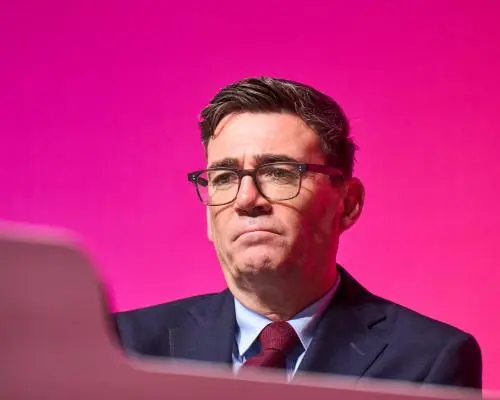
A Blueprint for a Universal Care Service
Manchester’s mayor and Labour leader Andy Burnham announced at the party’s Liverpool conference that his next election campaign will centre on overhauling Britain’s failing social‑care system. He said he is ready to spend political capital and ask the public to fund a universal, NHS‑style service that would replace the current fragmented model.
Burnham’s speech framed the care crisis as a moral and economic emergency. He warned that rising demand, staff shortages and rising costs are pushing families into debt and forcing vulnerable people into inadequate homes. By „ripping the plaster off” the existing framework, he promised a single, publicly funded system that would guarantee free home‑care, residential places and support for disabled adults. The proposal would be financed through a modest increase in national insurance and targeted taxes, he said, arguing that the long‑term savings from reduced hospital admissions would outweigh the upfront expense.
Burnham outlined a three‑stage plan. First, the government would create a national care fund, pooling resources from central and local authorities to ensure consistent standards across England. Second, the fund would finance a workforce expansion, pledging 50,000 new care jobs over five years, with wages tied to the NHS pay scale to attract and retain staff. Third, the scheme would integrate health and social‑care data, allowing seamless referrals and reducing duplication. „We will treat care as a public good, not a market commodity,” Burnham declared, echoing the NHS’s founding principle of care free at the point of use.
Can Taxpayers Shoulder the Cost of a New Care Model?
He cited pilot projects in Manchester and Liverpool where integrated care teams reduced emergency admissions by 12 % and saved local councils millions. Burnham argued that scaling these successes nationwide would deliver both better outcomes for patients and a more sustainable fiscal picture.
Critics quickly questioned the feasibility of funding such an overhaul. The Treasury estimates that a universal care system could cost up to £30 billion annually, a figure Burnham acknowledged would require „a fair share from every working adult.” He responded that a 1 % rise in national insurance contributions, combined with a levy on high‑income earners, would generate the necessary revenue without harming low‑income families. Opposition leaders warned that the plan could strain the public purse and increase the national debt, urging Burnham to provide a detailed cost‑benefit analysis before the next election.
If Burnham’s pledge gains traction, it could reshape the political debate on welfare and health. A successful rollout would likely boost Labour’s credibility on social policy, while failure could reinforce scepticism about large‑scale public spending. The next few months will see Labour’s policy unit flesh out the financing details and test public appetite for higher taxes in exchange for universal care.
Frequently Asked Questions
What is the main goal of Burnburn’s care proposal? He aims to replace the patchwork of private and local‑authority services with a single, publicly funded system that offers free, high‑quality care to all adults who need it.
How does Burnham plan to pay for the new system? His budget relies on a modest increase in national insurance, a targeted levy on high earners, and savings from reduced hospital admissions and administrative duplication.
When could the universal care model be implemented? If Labour wins the next general election, the plan would be introduced in stages over a five‑year period, beginning with the creation of a national care fund in the first year.