Candidates Weaponize Fear of Islam
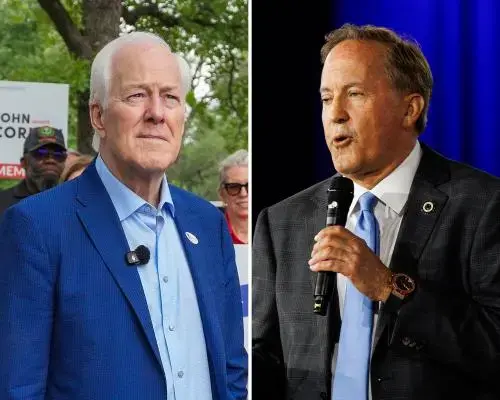
A high-stakes U. S. Senate runoff in Texas between Senator John Cornyn and Attorney General Ken Paxton has seen a sharp rise in anti-Muslim rhetoric. The campaign, marked by aggressive ads and legal actions, unfolded across Texas in recent weeks.
Both candidates have accused each other of mishandling national security concerns tied to Islam. Cornyn’s team claims Paxton is too lenient on radical ideologies, while Paxton’s camp argues Cornyn supports policies that endanger American values. The ads have featured ominous imagery and language linking Islam to terrorism, despite no evidence tying U. S. Muslims to domestic threats.
Paxton launched a radio ad claiming Cornyn backed „radical Islamic organizations” through federal funding. The ad used audio of Middle Eastern chants and warnings about „Sharia law spreading in Texas.” Cornyn’s campaign responded with digital spots accusing Paxton of ignoring real threats by focusing on „political theater instead of prosecution.”
Legal filings have mirrored the tone. Paxton sued a nonprofit aid group in Houston, alleging ties to extremist networks—a claim federal investigators have not substantiated. Cornyn cited the lawsuit as proof of Paxton’s „reckless fearmongering.” Meanwhile, Cornyn’s past votes on surveillance programs became fodder for attacks, with Paxton claiming they „weakened border security.”
Is Targeting Muslims a Winning Campaign Tactic?
Texas Muslim leaders say the rhetoric is damaging. „We’re being painted as enemies in our own country,” said Amina Hassan, executive director of the Texas Islamic Society. „These ads don’t reflect reality—they reflect a strategy to win votes by stoking fear.”
Polls show mixed results. While some conservative voters respond to hardline messaging, others view the attacks as overreach. A University of Houston survey found 42% of likely voters believe the ads go too far, including 30% of Republicans.
Still, both campaigns continue amplifying the issue. Analysts note that in tight races, emotional appeals often outweigh policy detail. „When turnout is low, fear-based messaging can mobilize a base quickly,” said political scientist Maria Lopez. „But it also deepens division.”
Frequently Asked Questions
The runoff’s outcome could influence how national candidates approach religious issues in future campaigns. If either Cornyn or Paxton wins by leaning on anti-Muslim sentiment, it may embolden similar tactics elsewhere. Civil rights groups warn of long-term harm to community trust and public safety.
Why are Muslim communities being targeted in this race? Candidates use national security fears to differentiate themselves. With no major policy disagreements on taxes or healthcare, cultural issues like religion become focal points.
Have any ads been fact-checked or challenged? Yes. PolitiFact rated two of Paxton’s claims as „False,” citing lack of evidence. Cornyn’s team filed a complaint with the FCC over misleading audio in one ad, but no action has been taken.
How are Texas Muslims responding to the rhetoric? Community organizations have launched voter registration drives and public education campaigns. Some are filing complaints with civil rights agencies over hate speech concerns.