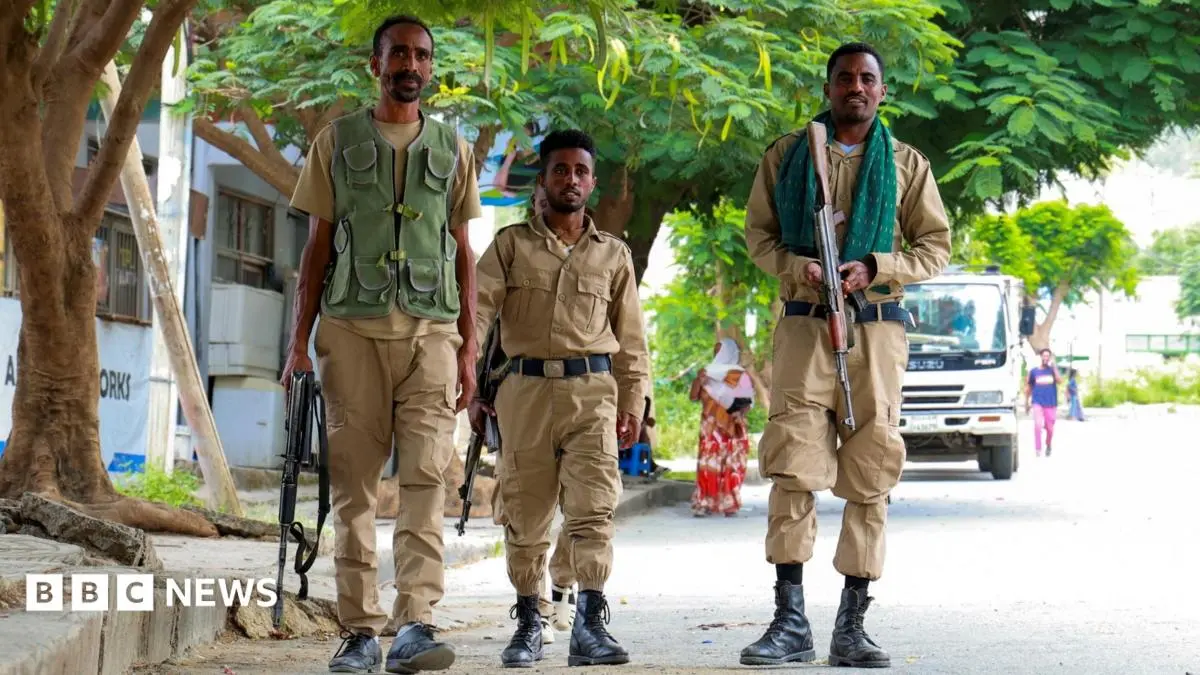
Escalation in Mekelle: A City Under Siege
A new flare‑up has erupted in Ethiopia’s northern Tigray region, where the regional Tigrayan People's Liberation Front (TPLF) forces clash with the national army. The fighting has spread across key towns, including Mekelle, the capital, and has raised fears of a broader conflict. The skirmishes began after the federal government intensified its military campaign in the area, following a decade‑long insurgency that left thousands dead and displaced millions.
The renewed violence follows a series of diplomatic failures. The TPLF, which once governed Ethiopia, was ousted in 2018, sparking a power struggle that culminated in a brutal civil war. Despite a fragile ceasefire in 2022, tensions remained high. The current clashes stem from the federal army’s attempt to secure strategic positions, while the TPLF resists, citing protection of local communities and autonomy. Residents report increased checkpoints, looting, and sporadic shelling, creating a climate of fear and uncertainty.
What Drives the Resurgence of Conflict?
Mekelle, once a bustling commercial hub, now faces daily patrols by Tigrayan forces and sporadic clashes with federal troops. Local officials say the city’s infrastructure is deteriorating as roads are blocked and supplies become scarce. „We are living in constant fear,” said a Mekelle resident, who requested anonymity. The city’s markets have closed, and many families are forced to leave their homes. Humanitarian agencies warn that the lack of access to food and medical care could trigger a humanitarian crisis.
Reports indicate that the federal army has deployed armored vehicles and artillery units near Mekelle’s outskirts. Meanwhile, the TPLF has mobilized local militias, claiming they are defending the city’s civilians. The standoff has drawn international attention, with the United Nations calling for an immediate ceasefire and dialogue. However, both sides remain entrenched, citing security concerns and historical grievances.
Could a Diplomatic Breakthrough Happen?
The root causes of the renewed fighting lie in a complex mix of political, ethnic, and economic factors. The federal government’s recent policy shifts, including the re‑establishment of a federal military presence in Tigray, have been perceived by the TPLF as a direct threat to regional autonomy. Additionally, the TPLF’s insistence on controlling local resources—particularly water and agricultural land—has intensified competition. Economic hardships, exacerbated by the pandemic, have further strained relations, as communities struggle to rebuild livelihoods after years of war.
Experts suggest that the lack of a comprehensive peace agreement has left a vacuum that both sides exploit. While the TPLF claims it seeks a negotiated settlement, the federal army insists on a decisive military victory. This zero‑sum mindset fuels a cycle of retaliation. The situation is further complicated by external actors, including neighboring Eritrea, which has historically supported the TPLF, and foreign powers that have vested interests in Ethiopia’s stability.
Frequently Asked Questions
The possibility of a diplomatic resolution hinges on several factors. First, the willingness of both parties to engage in genuine dialogue without preconditions. Second, the role of international mediators who can offer neutral ground and enforce agreements. Third, the capacity of humanitarian organizations to provide immediate relief, reducing the desperation that often fuels conflict. While recent talks have stalled, there remains a glimmer of hope that a negotiated settlement could prevent further bloodshed.
In the meantime, civilians bear the brunt of the violence. Schools remain closed, healthcare facilities are overwhelmed, and displacement camps are overcrowded. The international community has urged both sides to respect human rights and to allow humanitarian aid to reach those in need. The future of Tigray—and Ethiopia as a whole—depends on whether the parties can move beyond entrenched positions and work toward a lasting peace.