The Dual Imperative of Modern Tech Strategy
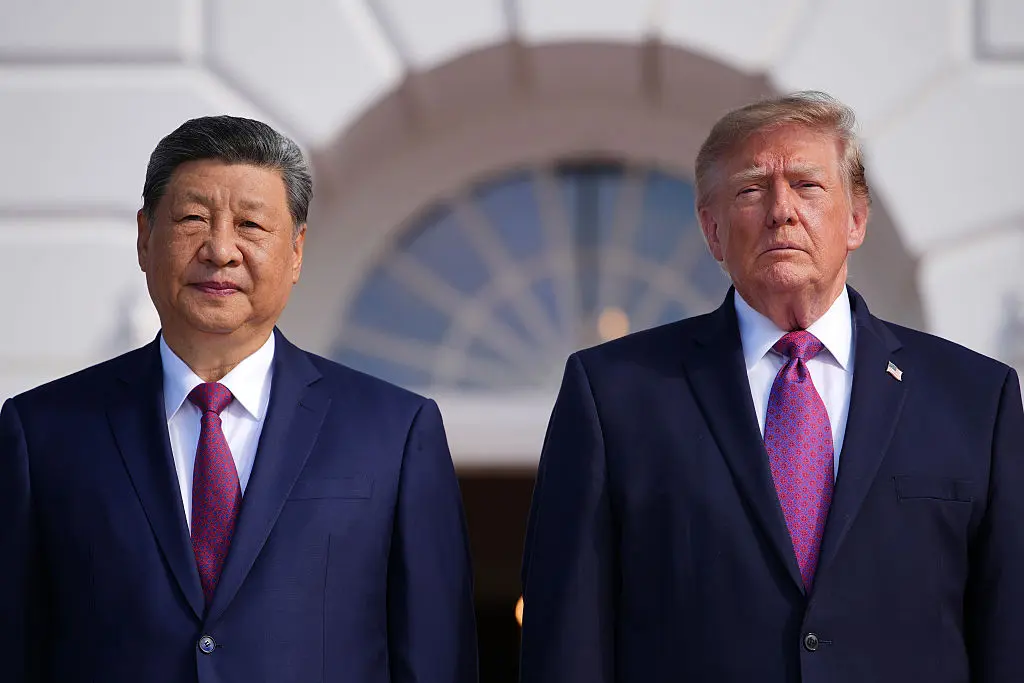
United States President Donald Trump welcomed Chinese President Xi Jinping to the White House last week for a high-stakes diplomatic summit. This Washington meeting marked their second encounter of the year, following a previous presidential gathering in Beijing during the month of May.
The recent negotiations focused heavily on the complex future of global technology competition. Both nations recognize that artificial intelligence shapes modern economic power and international security. Leaders must figure out how to outpace Beijing technologically while maintaining essential diplomatic channels.
Can Two Superpowers Share the Digital Future?
Washington faces a unique dilemma in handling its relationship with the world's second-largest economy. Officials argue that America must secure technological supremacy to protect its national interests. At the same time, complete isolation from Beijing is neither practical nor safe.
Experts suggest that collaborative guardrails are necessary to manage the risks of advanced machine intelligence. Unchecked competition could trigger dangerous miscalculations between the two superpowers. Cooperation remains vital for establishing global safety standards in digital innovation.
Managing both rivalry and partnership requires unprecedented diplomatic skill from both administrations. Policymakers must separate commercial competition from existential safety concerns regarding autonomous systems. Finding this delicate balance will define international relations for decades.
Frequently Asked Questions
The recent discussions in Washington set a cautious tone for future bilateral engagements. Both governments understand that total technological decoupling remains highly unlikely. Maintaining open communication channels serves as the primary defense against future digital conflicts.
Q: When did the two leaders meet in Washington? A: The meeting took place at the White House last week.