Why Woodward Breaks Source Anonymity
Veteran journalist Bob Woodward published Secretson Tuesday. The book chronicles 55 years of reporting for The Washington Post. It also details his work on 24 bestselling books. These works cover ten U. S. presidents. The memoir reveals confidential sources who have since passed away. Woodward, now 83, feels a duty to history. He believes their stories must be told even if it means breaking anonymity. This approach has defined his career.
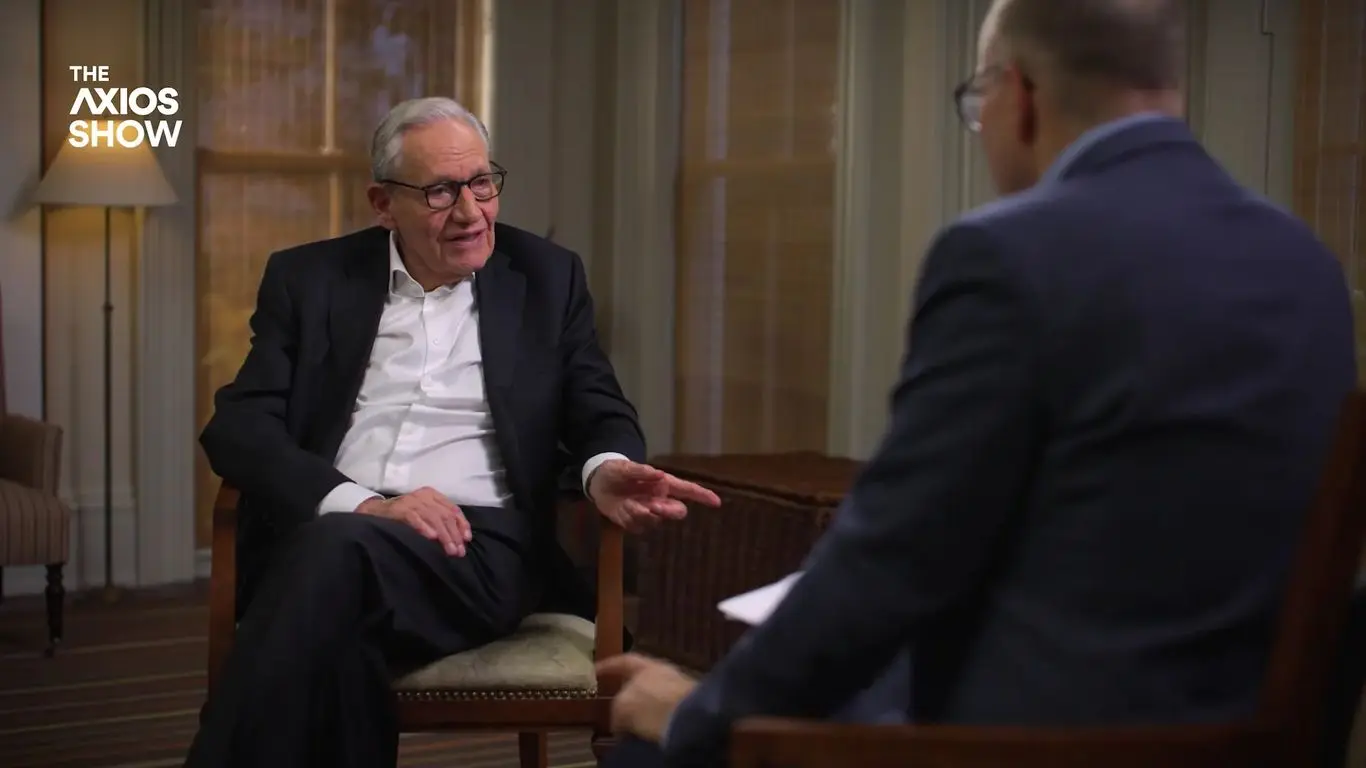
Woodward explained his decision in an interview for „The Axios Show.”He stated that some sources are now deceased. Their deaths remove the risk of exposure. He feels a moral obligation to record their accounts. This practice has sparked debate among journalists. Many peers argue that breaking confidence erodes trust. Others support Woodward's historical duty. The book includes names and details previously hidden. Readers can now trace the origins of major scoops.
What Does This Mean for Future Reporting?
Woodward's approach sets a precedent. Younger reporters may feel empowered to name sources. This could reshape how major outlets handle confidential information. The book also highlights the human cost of investigative journalism. Decades of pressure took a toll on Woodward. He describes long hours and personal sacrifices. The memoir serves as both a history and a personal reflection. It offers readers insight into the mechanics of breaking big news.
When was Secretspublished? The book came out on Tuesday. It marks the culmination of Woodward's career.
Frequently Asked Questions
How many presidents does the memoir cover? The work spans ten U. S. presidents. This reflects the breadth of his reporting.
Why did Woodward choose to name dead sources? He feels a duty to history. Their deaths make disclosure safer.