Emergency Response and Resource Allocation
Bolivia has declared a nationwide state of emergency to address the severe impacts of the El Nino weather pattern. President Rodrigo Paz signed the decree on Saturday, authorizing the deployment of rescue teams to regions devastated by flooding and drought. The decision aims to unlock resources for immediate relief efforts.
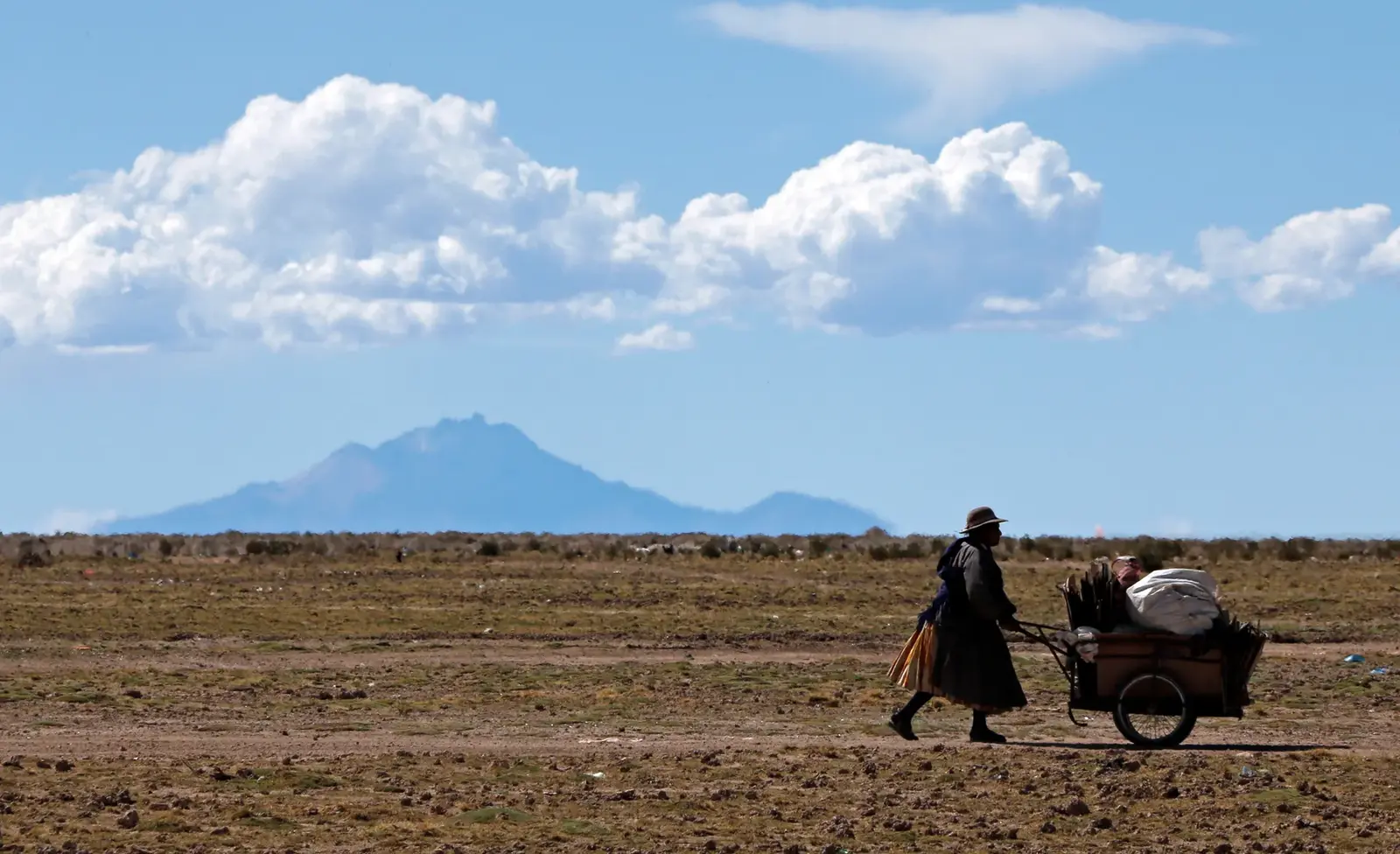
The El Nino phenomenon has triggered a prolonged drought that is now affecting 78,000 families across the country. Agricultural production has suffered significantly, and over 75,000 cattle have been lost. These losses have strained local economies and food supplies.
The presidential decree directs the government to mobilize rescue teams in the hardest-hit areas. This includes regions experiencing both flooding and drought simultaneously. The emergency status allows for faster access to funding and personnel.
What Does This Mean for Affected Communities?
Officials are coordinating with regional governments to distribute aid efficiently. The response focuses on restoring water access and supporting affected farmers.
The state of emergency signals a shift in government priorities. Funds will be redirected toward emergency relief and infrastructure repair. Communities in drought-stricken zones can expect increased support.
The decree also calls for monitoring systems to track the progression of El Nino effects. This data will guide future policy decisions.
Frequently Asked Questions
How many families are affected by the drought? The drought is currently impacting 78,000 families across Bolivia.
How many cattle have been lost? Over 75,000 cattle have died due to the El Nino-induced drought.
When was the emergency declared? President Rodrigo Paz signed the decree on Saturday, declaring the nationwide state of emergency.