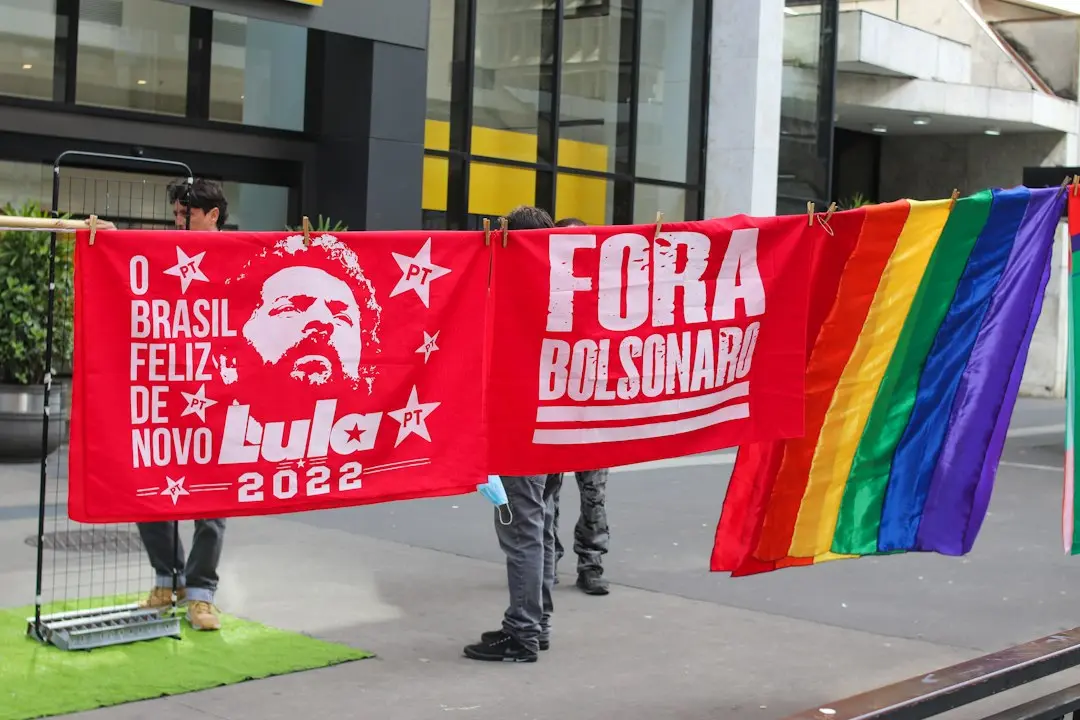
How Bolsonaro’s base held strong despite economic headwinds
Brazil’s presidential election has moved into a runoff after incumbent Jair Bolsonaro outperformed pre-election polls, securing enough votes to face former president Luiz Inácio Lula da Silva in a decisive second round. The vote took place on October 2, 2022, across all 26 states and the federal district, with over 156 million eligible voters participating. Despite widespread predictions of a narrow loss, Bolsonaro captured approximately 43% of the vote, while Lula received 48%, falling short of the majority needed to win outright. The result sets up a high-stakes rematch between the two most polarizing figures in Brazilian politics, with the runoff scheduled for October 30.
The outcome reflects deep divisions in Brazilian society over economic policy, social welfare, and the direction of democracy. Bolsonaro’s campaign emphasized law and order, support for agribusiness, and skepticism toward pandemic restrictions, resonating strongly in rural and evangelical communities. Lula, running on a platform of social inclusion and economic recovery, maintained strong backing in urban centers and the Northeast. Voter turnout was high at around 79%, indicating intense public engagement. Both candidates now face the challenge of winning over undecided voters and those who supported eliminated candidates, particularly centrist Simone Tebet and center-right Ciro Gomes, whose combined support exceeded 10%.
Can Lula broaden his appeal in the runoff?
Despite inflation exceeding 8% and slowing GDP growth, Bolsonaro’s core supporters remained loyal, citing his stance on traditional values and opposition to what they describe as „leftist ideology.” His administration’s distribution of emergency aid during the pandemic, though phased out, left a lasting impression on low-income voters. Political analysts note that Bolsonaro’s ability to frame the election as a battle between patriotism and socialism helped energize his base. Evangelical leaders, who played a visible role in his campaign, reported high mobilization rates in key states like São Paulo and Minas Gerais. Meanwhile, Lula’s campaign struggled to convert dissatisfaction with the incumbent into a decisive first-round victory, partly due to lingering concerns about past corruption allegations tied to his Workers’ Party.
Lula now needs to attract voters who backed centrist and right-wing candidates in the first round without alienating his progressive base. His team has signaled a shift toward moderation, emphasizing unity and economic stability over radical reform. Polls after the first round showed Lula gaining ground, but the race remains tight. Key battlegrounds include Minas Gerais, Bahia, and Paraná, where swing voters could determine the outcome. Both campaigns are expected to intensify efforts in media, rallies, and door-to-door outreach in the coming weeks. The runoff will not only decide Brazil’s next president but also shape the country’s stance on Amazon deforestation, foreign investment, and social programs for the next four years.
Why did Bolsonaro perform better than predicted? Bolsonaro outperformed polls due to strong voter mobilization in rural and evangelical areas, effective use of social media, and a campaign focused on cultural issues that resonated despite economic challenges.
Frequently Asked Questions
What are the main differences between Bolsonaro and Lula’s platforms? Bolsonaro promotes conservative social policies, deregulation for agriculture and mining, and alignment with the United States, while Lula advocates for expanded social welfare, workers’ rights, and renewed engagement with multilateral institutions and regional blocs.
What happens if no candidate wins a majority in the runoff? A runoff is triggered only when no candidate exceeds 50% in the first round. The winner of the October 30 vote will be elected president outright, as the runoff guarantees a majority.