The Final Stretch of a Bitter Campaign
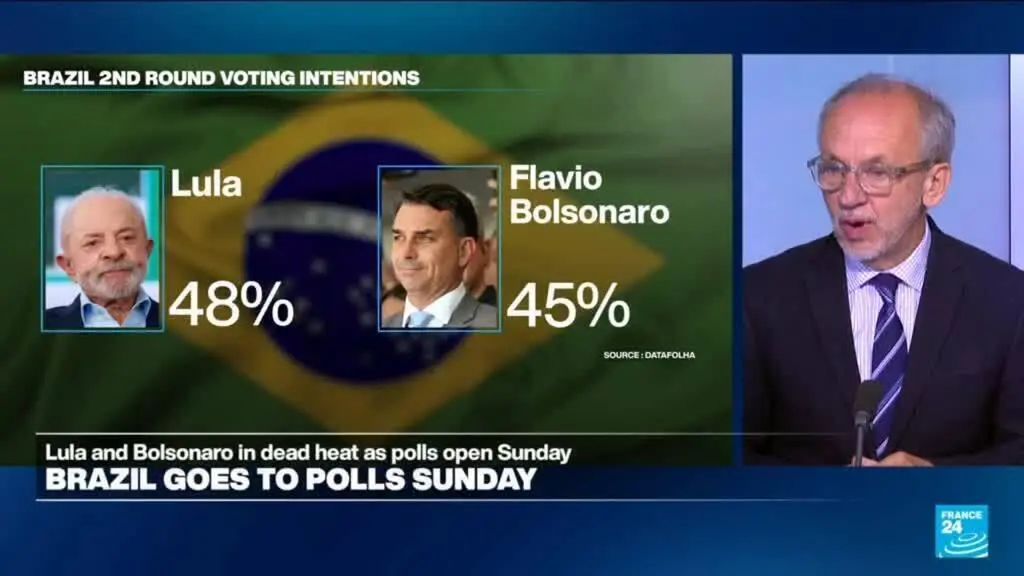
Brazil heads to the polls this weekend in a historic presidential contest that remains too close to call. Incumbent President Jair Bolsonaro and challenger Luiz Inácio Lula da Silva are locked in a statistical tie, reflecting a deeply polarized nation. Voters are preparing to decide the country’s political trajectory for the next four years.
The campaign atmosphere grew increasingly tense in its final days. Flavio Bolsonaro, representing the incumbent's camp, withdrew from the concluding televised debate on Thursday. This move highlighted the high-stakes nature of the final push as both candidates scramble to secure undecided voters. The electorate remains sharply divided between the current administration's conservative agenda and the former president’s promise of a return to previous social policies.
The race has been defined by fierce rhetoric and intense public scrutiny. Both campaigns have focused heavily on mobilizing their respective bases while attempting to sway a dwindling number of neutral voters. Analysts suggest that the outcome will likely hinge on turnout levels in key battleground states.
Will the Election Outcome Bring Stability?
The absence of a clear frontrunner has created significant uncertainty across the country. Financial markets and international observers are watching closely, as the election results will have profound implications for Latin America's largest economy. The candidates have spent months trading accusations, further deepening the rift within the Brazilian populace.
The immediate aftermath of the vote will be a critical test for Brazil’s democratic institutions. Regardless of who claims victory, the winner will face the daunting task of governing a nation split down the middle. Addressing economic recovery and social inequality will be the primary challenges for the incoming administration.
Frequently Asked Questions
Political experts warn that the narrow margin could lead to legal challenges or civil unrest. Both sides have signaled that they are prepared for a long and difficult transition period. The world is waiting to see if Brazil can navigate this transition peacefully once the final ballots are counted.
Why is this election considered so significant? The election represents a fundamental choice between two vastly different visions for Brazil's future. The narrow margin between the candidates suggests that the country is at a major political crossroads.
What happens if the result is extremely close? A razor-thin margin often leads to calls for recounts or legal scrutiny of the voting process. Both campaigns are prepared for potential disputes that could delay the official declaration of a winner.