Flávio Bolsonaro’s campaign emphasized security and conservative values
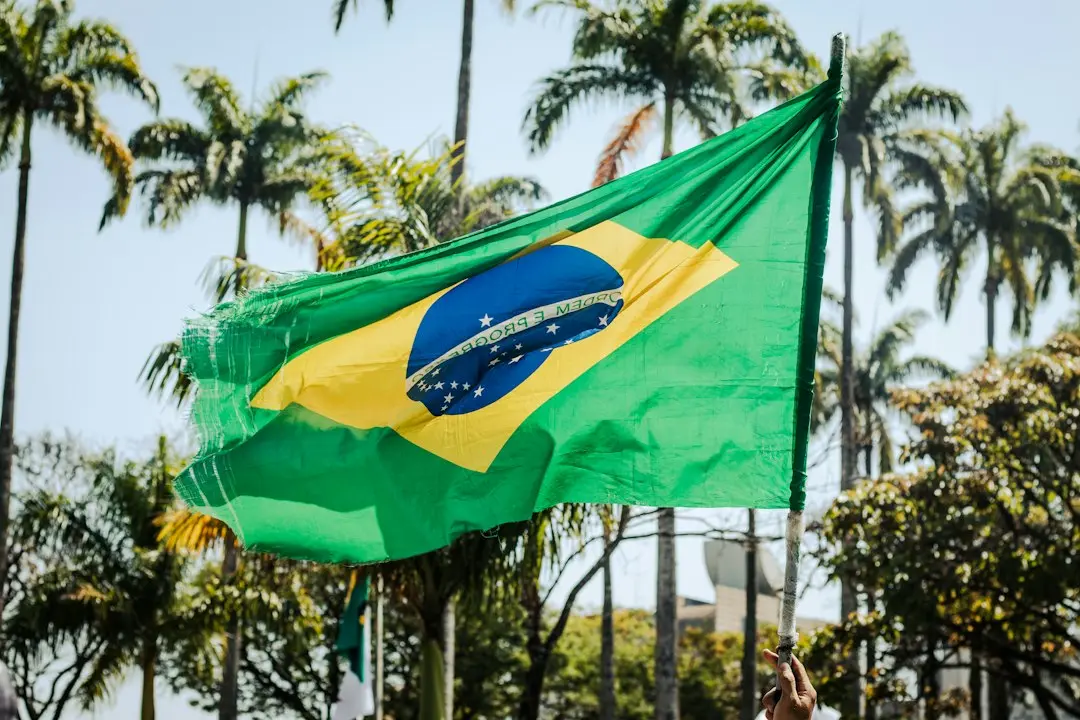
In Brazil, the presidential election has moved to a decisive second round. Neither candidate, Jair Bolsonaro’s son Flávio nor former president Luiz Inácio Lula da Silva, achieved the 50% threshold needed for an outright win. The first round concluded on October 4, 2026, with results still being tallied in Rio de Janeiro. The vote count shows a fragmented electorate. Flávio Bolsonaro, a senator with a strong base in the northeast, received 47% of the vote, while Lula, who returned to politics after a decade in prison, garnered 43%. A small percentage went to third‑party candidates, leaving the race for a runoff between the two. Analysts say the split reflects deep divisions over economic policy, corruption, and social issues. Electoral Climate: A Nation Divided Observers note that the first round highlighted Brazil’s polarized political landscape.
Flávio Bolsonaro’s campaign emphasized security and conservative values, appealing to rural voters and those wary of leftist policies. Lula’s platform focused on social welfare and infrastructure, resonating with urban working classes and Afro‑Brazilian communities. The close margin underscores how evenly matched the two camps are. Brazil’s electoral commission confirmed that the runoff will take place on October 18, 2026. Both candidates are preparing for a national campaign that will test their ability to broaden support beyond their core bases. Will the Second Round Shift the Balance? The runoff presents an opportunity for alliances. Flávio Bolsonaro may seek endorsements from smaller right‑wing parties, while Lula could court centrist voters disillusioned with the status quo. Polls suggest that if Lula can capture the undecided voters and maintain his social agenda, he stands a strong chance of winning. Conversely, Flávio’s success hinges on consolidating his rural stronghold and appealing to moderate voters.
The outcome will shape Brazil’s economic strategy and its role on the international stage
The outcome will shape Brazil’s economic strategy and its role on the international stage. A Lula victory could revive progressive reforms and strengthen ties with left‑leaning nations, whereas a Bolsonaro win might steer the country toward market‑friendly policies and closer alignment with the United States. Frequently Asked Questions What is the exact date of the runoff? The second round will be held on October 18, 2026, as announced by the electoral commission. Who are the main candidates in the runoff? The contest is between Flávio Bolsonaro, a senator and son of former president Jair Bolsonaro, and Luiz Inácio Lula da Silva, the former president returning to the race. What could this election mean for Brazil’s economy? A Lula win could boost social spending and infrastructure projects, while a Bolsonaro win may favor deregulation and foreign investment.