How the Liberal Party’s gains reshape legislative dynamics
In Brazil’s presidential race, former President Jair Bolsonaro sits atop the first‑round tally, edging out former President Luiz Inácio Lula da Silva. The vote took place on October 2, 2026, across all 26 states and the Federal District. With neither candidate reaching the 50 percent threshold, a second‑round runoff is set for November 30. Meanwhile, the Liberal Party, Bolsonaro’s political vehicle, captured a record number of seats, tightening the right‑wing’s grip on the National Congress.
The first round saw a fragmented field of twelve contenders, but the contest narrowed to the two former presidents. Bolsonaro’s campaign emphasized law‑and‑order rhetoric, promising to curb crime and reduce inflation, while Lula focused on social programs and restoring Brazil’s global standing. Turnout hit 78 percent, reflecting high public interest after years of political turbulence. Analysts attribute Bolsonaro’s lead to a strong rural base and a well‑organized digital outreach, whereas Lula’s support remained solid in urban centers and among younger voters. The Liberal Party’s surge—winning 165 seats in the Chamber of Deputies and 45 in the Senate—stems from strategic alliances with regional right‑leaning parties and a successful messaging campaign that linked economic recovery to conservative policies.
The Liberal Party’s breakthrough changes the balance of power in Brasília. With a near‑majority in the lower house, the party can now block or heavily modify legislation proposed by the executive branch, even if Lula wins the runoff. Senior party strategist Ana Silva told reporters that „our priority is to ensure fiscal responsibility and protect national sovereignty, regardless of who occupies the presidency.” This stance signals a potential stalemate on key reforms, such as pension restructuring and tax code revisions, which both candidates have pledged to address.
Will the runoff intensify Brazil’s political polarization?
Opposition leaders warn that the new congressional composition could stall critical social spending. Lula’s campaign manager, Carlos Mendes, argued that „a divided Congress will force us to compromise, but we must not abandon the most vulnerable.” Meanwhile, Bolsonaro’s allies claim the shift reflects voters’ desire for a „leaner government” and promise to push forward deregulation measures. The upcoming runoff will therefore not only decide the presidency but also test whether a divided government can function effectively.
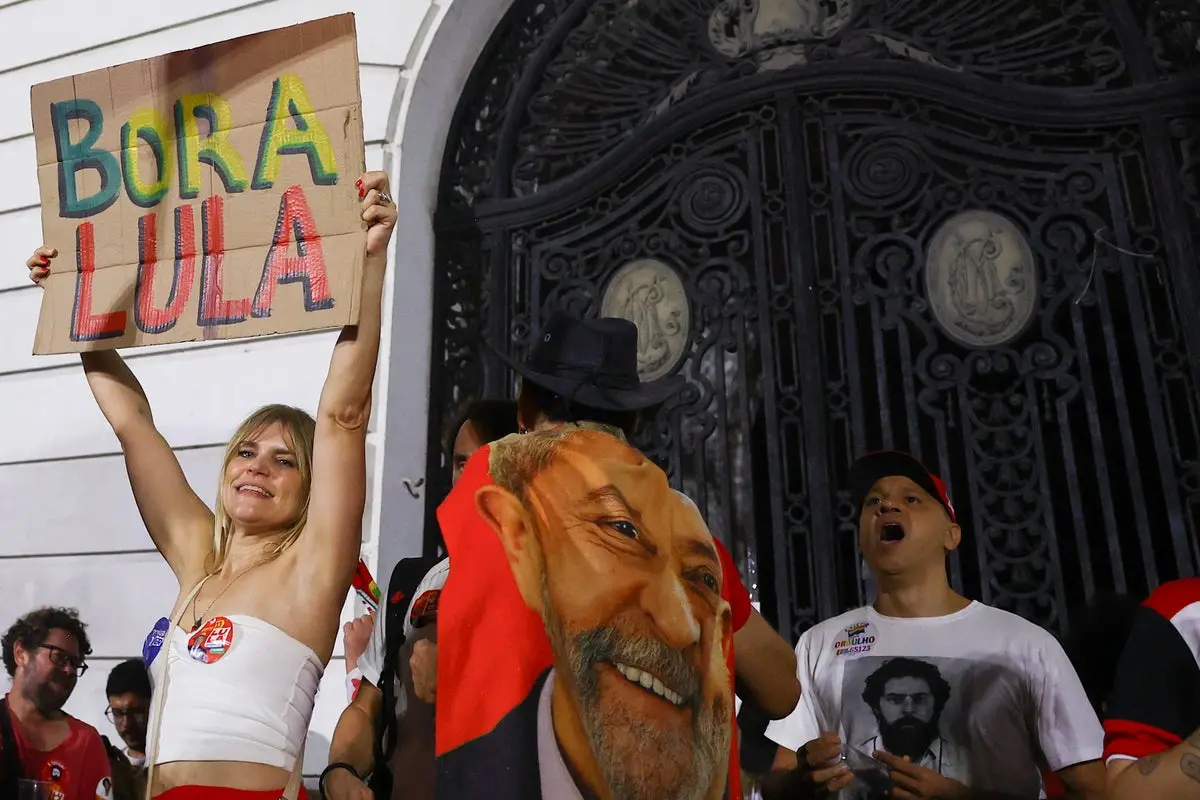
The looming second round is expected to deepen existing divides. Polls indicate Bolsonaro maintains a 5‑point lead among voters aged 45 and older, while Lula enjoys a 7‑point advantage among those under 35. Social media platforms are already awash with heated debates, and street protests have erupted in São Paulo and Rio de Janeiro. Political scientists fear that a tightly contested runoff could exacerbate tensions, especially if accusations of electoral fraud surface.
Both camps have pledged to respect the final count, yet independent observers note irregularities in ballot handling in several remote municipalities. International monitors from the Organization of American States have called for heightened transparency measures. If the runoff results in a narrow margin, the losing side may contest the outcome, potentially leading to legal battles and public unrest.
The runoff will set Brazil’s direction for the next four years, influencing everything from environmental policy in the Amazon to trade relations with the United States and China. A Bolsonaro victory could reinforce a more nationalist, market‑friendly agenda, while a Lula win might steer the nation toward renewed social investment and stronger multilateral ties. The composition of Congress will play a decisive role in shaping any president’s ability to implement their platform, making the November 30 vote a pivotal moment for Brazil’s democratic trajectory.
Frequently Asked Questions
What triggers a runoff in Brazil’s presidential elections? If no candidate secures more than 50 percent of the valid votes in the first round, the two highest‑scoring candidates face each other in a second round held 58 days later.
How many seats did the Liberal Party win in the latest congressional election? The party captured 165 seats in the Chamber of Deputies and 45 seats in the Senate, giving it a near‑majority in the lower house.
What are the main policy differences between Bolsonaro and Lula? Bolsonaro emphasizes stricter security measures, deregulation, and fiscal conservatism, while Lula focuses on expanding social programs, environmental protection, and re‑engaging with international partners.