A Cabinet Shrouded in Secrecy
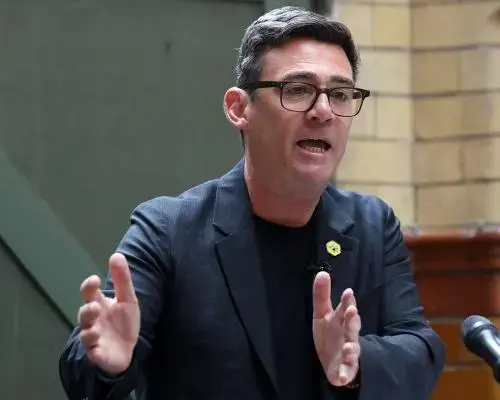
London, 16 July 2026 – Labour’s newly elected Prime Minister Andy Burnham is set to form a cabinet that will operate behind a „black‑box” framework, concentrating decision‑making power in a single office. The announcement was made on the final day of the parliamentary session, as MPs filed out of Portcullis House, and has already triggered alarm among senior lawmakers.
Observers say Burnham’s approach mirrors authoritarian models, with the prime minister alone determining ministerial appointments and policy direction. Critics argue the lack of transparency undermines collective responsibility and could sideline seasoned Labour figures. Burnham, formerly mayor of Greater Manchester, claims the system will streamline governance and cut bureaucratic delays, but many fear it will erode the democratic checks that have long defined Westminster.
The „black‑box” concept means that the composition of the cabinet will remain undisclosed until the first full cabinet meeting. Burnham insists this will protect ministers from media speculation and allow them to focus on policy. However, Labour MP Sarah Hughes struggled to find a neutral metaphor, eventually comparing the concentration of power to the Kim dynasty in North Korea. „It feels like we are handing over the reins to a single, unaccountable figure,” she told reporters. Political analysts warn that such opacity could breed mistrust among party members and the public, especially after recent scandals involving opaque decision‑making in other governments.
Will Westminster Accept a ‘Black‑Box’ Government?
The question now dominating the Commons is whether Parliament can function under a cabinet that operates behind closed doors. Senior figures, including former chancellor James O’Connor, have voiced concerns that the lack of a clear succession plan could create a power vacuum if Burnburn were to step down unexpectedly. Moreover, opposition parties argue that the move violates longstanding conventions of collective cabinet responsibility. Burnham’s supporters counter that the model is a pragmatic response to the fragmented political landscape, promising faster legislative action on climate, health, and housing reforms.
If the black‑box cabinet proceeds, the immediate effect will be a reshuffling of senior Labour roles, with many long‑standing MPs likely sidelined. The long‑term outlook hinges on Burnham’s ability to deliver results while maintaining party cohesion. A successful rollout could redefine executive authority in the UK, but missteps may fuel calls for constitutional reform and a return to more transparent governance structures.
Frequently Asked Questions
What does the „black‑box” cabinet entail? It refers to a secretive formation process where the prime minister alone decides ministerial appointments and policy priorities, keeping details hidden until the first cabinet meeting.
Why is the plan causing alarm among Labour MPs? Members fear the concentration of power undermines collective decision‑making, reduces transparency, and could marginalize experienced politicians who expect a role in shaping the government.
How might this affect the UK’s democratic checks and balances? If the cabinet operates without public scrutiny, traditional parliamentary oversight could weaken, prompting debates about the need for new rules to ensure accountability.