Why the Amnesty Fails to Address Catalonia’s Core Demands
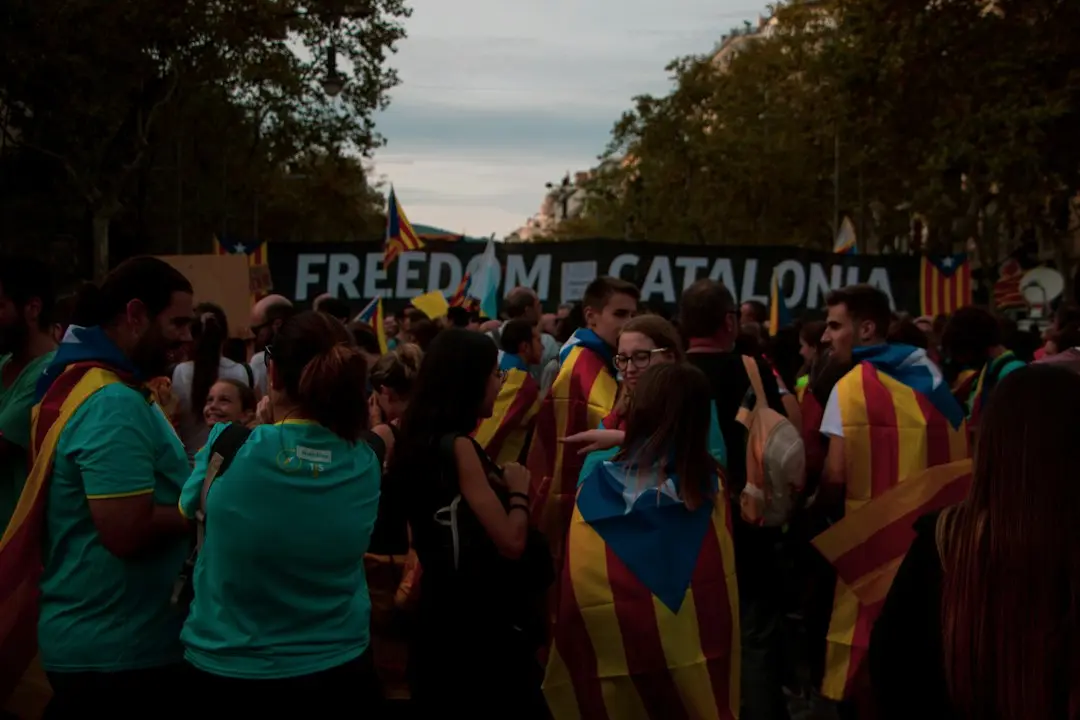
Carles Puigdemont, the former Catalan president who has lived in exile in Waterloo for nine years, met with Junts per Catalunya lawmakers in Berlin on Tuesday. The meeting followed Spain’s announcement of an amnesty for those who participated in the 2017 independence referendum and subsequent protests. Puigdemont expressed gratitude for the gesture but cautioned that it does not address Catalonia’s core political demands.
The amnesty was part of a broader Spanish effort to ease tensions after the 2017 constitutional crisis. It pardons individuals charged for their roles in the referendum and related demonstrations. Puigdemont welcomed the move, noting it could reduce legal pressures on exiled Catalan leaders. However, he emphasized that the amnesty does not resolve the underlying issue of self‑determination or the status of Catalonia within Spain.
Puigdemont highlighted that the amnesty only deals with legal consequences, not with the political status of Catalonia. „It is a step toward calm, but it does not answer the question of our identity or our right to decide our future,” he said. He pointed out that the Spanish government still views the referendum as illegal and refuses to negotiate a new constitutional arrangement. The amnesty, while symbolic, does not alter the power balance or the legal framework that keeps Catalonia firmly within Spain’s borders.
Can an Amnesty Lead to a Long‑Term Solution?
The former president also urged the Spanish government to consider a new dialogue that includes Catalan representation. He argued that a meaningful solution requires addressing the demands for autonomy and recognition of Catalan language and culture. „Without a genuine political settlement, any amnesty will be merely temporary relief,” he added. His remarks come amid growing frustration among Catalan supporters who feel that the Spanish state continues to ignore their aspirations.
The question remains whether Spain’s amnesty can pave the way for a lasting resolution. Analysts suggest that while the pardon may reduce immediate legal tensions, it does not alter the constitutional status quo. Puigdemont’s comments underline the need for a new political framework that acknowledges Catalonia’s distinct identity. Without such changes, the amnesty risks being seen as a superficial gesture rather than a step toward genuine self‑governance.
The outcome of this dialogue will shape the future of Catalonia’s independence movement. If Spain refuses to engage in substantive negotiations, the region may continue to rely on political pressure and international advocacy. Conversely, a constructive approach could lead to increased autonomy and a more stable relationship between Catalonia and Madrid.
Frequently Asked Questions
What is the main purpose of Spain’s amnesty? The amnesty pardons individuals involved in the 2017 referendum and protests, aiming to reduce legal pressure and ease social tensions.
Why does Puigdemont say the amnesty is insufficient? He argues that it addresses only legal issues, not the political status or self‑determination demands of Catalonia.
What might happen if Spain does not negotiate with Catalonia? Catalan leaders may intensify calls for independence, potentially leading to increased political pressure and international attention, while the region remains under Spanish jurisdiction.