Building Resilience Through Urban Micro-Farming
Across Central Asia, ordinary gardeners and local cooperatives are stepping up to tackle severe climate challenges. As governments delay crucial regulatory funding, these dedicated growers test innovative miniature urban farming networks to protect fragile local ecosystems.
Without official financial backing or strong policy mandates, communities must find practical ways to survive rising temperatures. Individual growers share seeds, water management techniques, and traditional knowledge to keep local food production alive despite worsening environmental conditions.
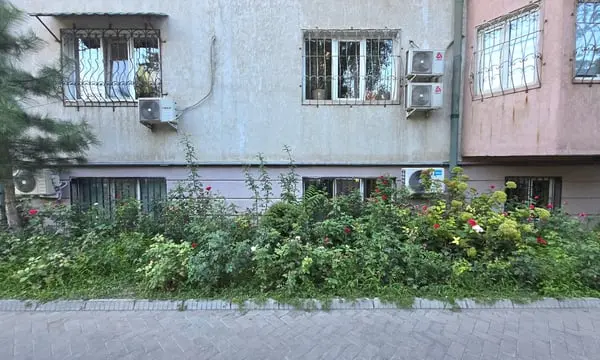
Local cooperatives now operate small agricultural plots within densely populated urban zones. These compact farming networks maximize limited space while conserving precious water resources during prolonged regional droughts.
Can Grassroots Networks Outpace Rising Temperatures?
Gardeners utilize ancient irrigation methods alongside modern techniques to grow resilient crops. Every successful harvest proves that small-scale agricultural adaptation can thrive without massive state intervention or corporate investments.
While individual efforts offer immediate relief, questions remain about long-term sustainability. Without coordinated regional strategies, grassroots networks might struggle against intensifying climate anomalies and systemic water shortages.
Frequently Asked Questions
Experts emphasize that community-led initiatives provide a vital blueprint for future survival. However, regional authorities must eventually step in with substantial resources to secure lasting environmental stability across Central Asia.
What role do cooperatives play in Central Asia? Cooperatives unite individual gardeners to share vital resources and sustainable farming knowledge. They bridge the gap left by absent government funding and regulatory action.
Are miniature urban networks effective against climate change? These compact systems optimize water usage and food production in densely populated areas. They offer practical, immediate solutions while larger institutional policies remain stalled.