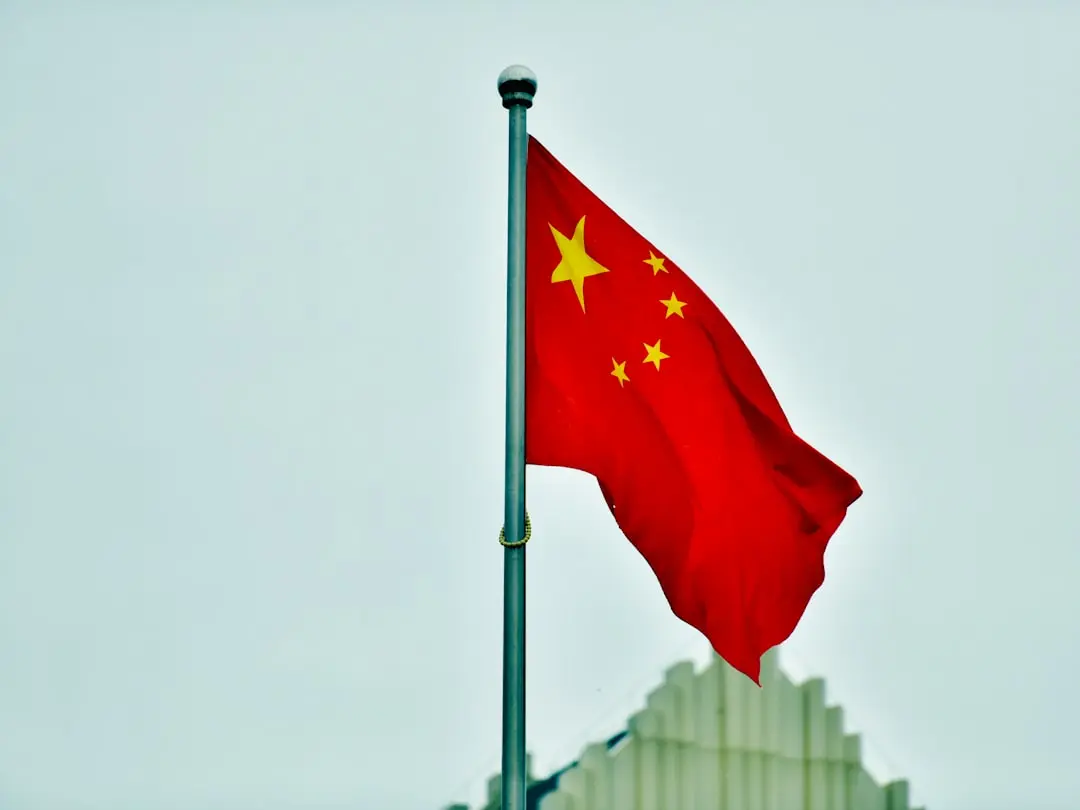
Building Trust Through Technical Dialogue
Following a summit between US President Donald Trump and Chinese President Xi Jinping on September 26, 2026, the two nations announced plans to create a direct communication channel for reporting and managing artificial intelligence safety incidents. The agreement aims to reduce risks from unintended AI behavior through improved coordination between Washington and Beijing.
The initiative comes amid growing global concern over the rapid deployment of advanced AI systems in both civilian and military applications. Officials said the channel would allow real-time information sharing about AI malfunctions, unexpected behaviors, or potential security threats, similar to existing hotlines used for nuclear or maritime incidents. Both sides emphasized the need for practical safeguards as AI capabilities advance faster than regulatory frameworks.
Experts note that the channel is not intended to regulate AI development but to prevent misunderstandings that could escalate tensions. A senior US official, speaking on condition of anonymity, stated that the mechanism would focus on operational safety rather than ideological differences. Chinese representatives echoed this, highlighting mutual interest in avoiding accidental conflicts stemming from AI errors in autonomous systems.
How Will the Channel Handle Sensitive Information?
The agreement also includes plans for joint technical workshops to establish common definitions of AI incidents and share best practices in testing and monitoring. These sessions will involve experts from defense, technology, and academic sectors in both countries, though specific timelines for implementation have not been disclosed.
Questions remain about how classified AI projects will be treated within the framework. Officials clarified that participation will be voluntary and limited to non-sensitive, unclassified incidents initially. Both governments stressed that national security secrets will not be shared, but that transparency about general AI risks can build confidence without compromising strategic advantages.
The channel will operate through designated points of contact in each country’s AI safety offices, with monthly test communications to ensure readiness. Unlike formal treaties, this arrangement is based on mutual understanding and can be adjusted as AI technology evolves.
Frequently Asked Questions
What types of AI incidents will be reported through the channel? Reports will focus on unintended behaviors in AI systems that could pose safety risks, such as unexpected actions by autonomous vehicles or errors in AI-driven surveillance tools, particularly those with potential cross-border implications.
Will the channel cover military AI applications? Initially, the focus is on civilian and dual-use AI systems. Military AI incidents may be discussed in later phases, but only if both sides agree and the information is declassified or deemed non-sensitive.
How does this differ from existing AI safety forums? Unlike multilateral forums that set broad principles, this channel is a bilateral, operational tool designed for rapid response to specific incidents, functioning more like a direct emergency line than a policy-making body.