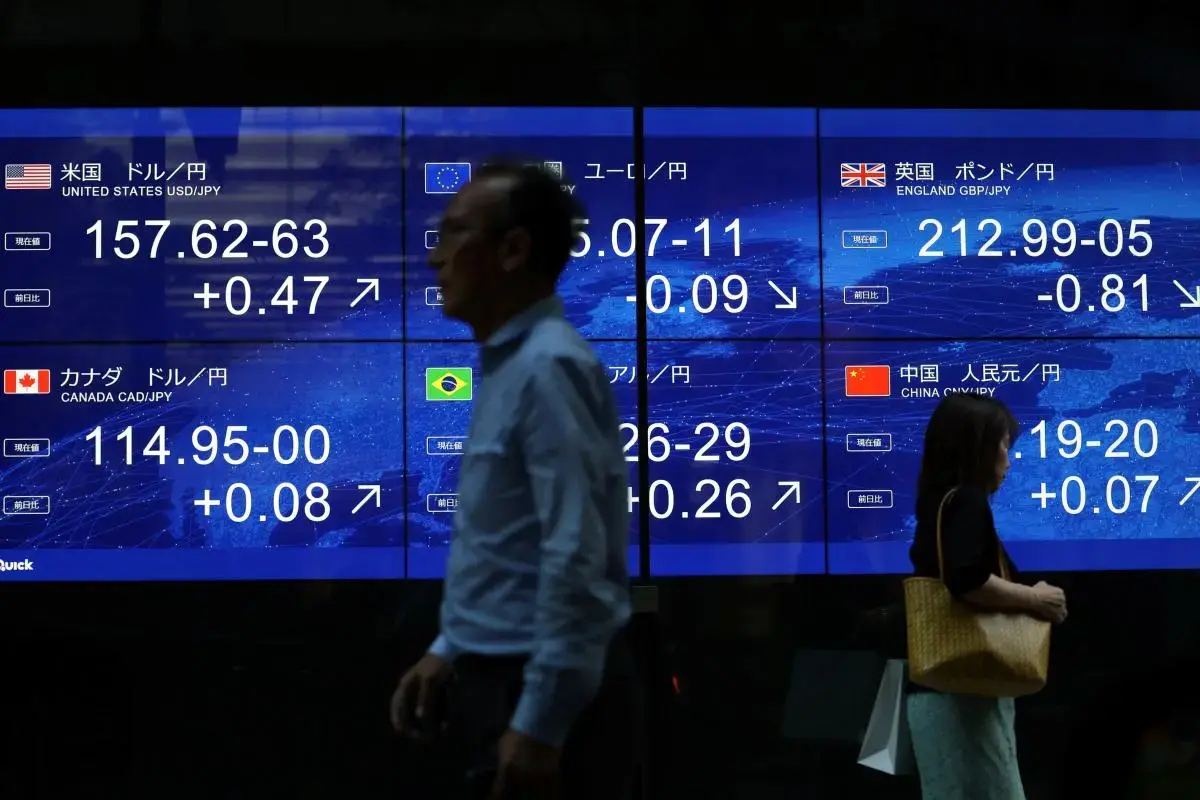
A Distorted Trade Landscape
China's deliberate undervaluation of its currency is distorting global trade, sparking concerns among economists and policymakers worldwide. In recent years, China's currency manipulation has become a pressing issue. This has significant implications for the global economy.
The issue is rooted in China's managed float exchange rate regime, where the government heavily influences the value of its currency, the renminbi (RMB). By keeping the RMB undervalued, China makes its exports cheaper and more competitive in the global market. This has led to a significant trade surplus for China.
Can the Global Economy Absorb the Shock of a Revaluation?
China's currency manipulation has far-reaching consequences, affecting various industries and countries. The undervalued RMB has led to a surge in Chinese exports, putting pressure on manufacturers in other countries. For instance, the US trade deficit with China has widened, sparking concerns about the impact on American jobs.
The manipulation has also led to a misallocation of resources globally. With Chinese exports being artificially cheap, companies in other countries may find it difficult to compete, potentially leading to factory closures and job losses. Economists argue that this distorts the global trade landscape, creating unfair advantages for China.
If China were to revalue its currency, the global economy could face significant adjustments. A stronger RMB would make Chinese exports more expensive, potentially leading to a decline in demand. This could have a ripple effect, impacting industries that rely on Chinese imports.
Frequently Asked Questions
The consequences of China's currency manipulation are far-reaching, and a revaluation could have significant implications for the global economy. As the world grapples with the challenges posed by China's economic policies, economists and policymakers are urging China to adopt a more market-based exchange rate regime.
What is China's currency manipulation? China's currency manipulation involves undervaluing its currency to make exports cheaper and more competitive. How does this affect other countries? It puts pressure on manufacturers in other countries, potentially leading to factory closures and job losses. What are the potential consequences of a revaluation? A stronger RMB could lead to a decline in demand for Chinese exports, impacting industries that rely on Chinese imports.