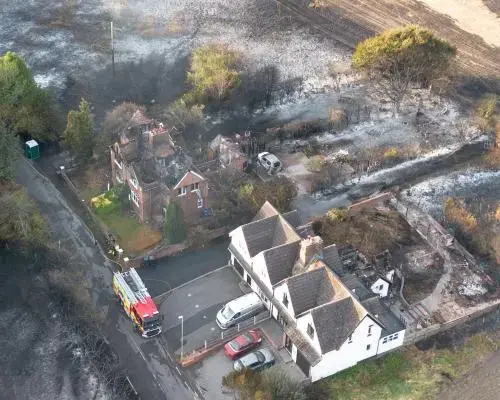
Staffing Shortfalls Undermine Emergency Response
A recent report revealed that just 20 of the 6,600 employees at the Department for Environment, Food & Rural Affairs (Defra) are actively engaged in climate‑adaptation work. The disclosure comes amid escalating droughts, school closures, hospital cancellations, and widespread wildfires across the UK, casting doubt on the government’s earlier assurances of preparedness.
Defra’s workforce is spread across numerous departments, but only a handful focus on climate resilience. The department’s own data shows that 20 staff members are dedicated to developing strategies for drought mitigation, flood prevention, and wildfire management. This figure is starkly low compared to the scale of the challenges confronting the nation, which include prolonged heatwaves, water shortages, and an increase in fire incidents that threaten homes and infrastructure.
How Are Communities Affected? – A Question of Equity
The government has repeatedly stated that it understands the risks posed by climate change and has pledged to protect the environment. However, the new figures suggest a significant gap between policy rhetoric and operational capacity. Critics argue that the limited number of specialists hampers the ability to respond swiftly to emergencies, plan long‑term adaptation measures, and support communities that are already feeling the strain of environmental stress.
The mismatch between the size of Defra’s climate team and the urgency of the crises raises questions about resource allocation. With only 20 specialists, the department struggles to monitor weather patterns, coordinate with local authorities, and implement mitigation projects. Local councils report delays in receiving guidance on flood defenses, while schools in drought‑prone areas are forced to close due to water shortages. Hospitals have had to cancel appointments as water supply disruptions affect critical services. The limited staff also means fewer opportunities for training and public outreach, leaving communities ill‑prepared for the next wave of environmental shocks.
The Road Ahead: Building a Resilient Workforce
The impact of these staffing shortages is uneven. Rural regions, where water scarcity is most acute, experience the harshest consequences. Farmers face crop failures, while residents endure restrictions on water usage. Urban areas, meanwhile, confront rising temperatures that strain cooling systems and increase energy bills. The lack of a robust climate‑adaptation workforce means that vulnerable populations—elderly residents, low‑income families, and those with limited mobility—receive insufficient support. The government’s failure to expand the team risks widening existing social and economic disparities.
The report also highlights that Defra’s climate work is fragmented across several sub‑departments, leading to duplicated efforts and inefficiencies. A single, coordinated approach is essential to streamline planning, secure funding, and deliver tangible results. Without it, the nation’s capacity to adapt to a changing climate remains fragile.
Addressing the staffing gap requires immediate action. Expanding the climate team would enable better monitoring of environmental risks, faster deployment of resources during emergencies, and stronger collaboration with local authorities. Additionally, investing in training programs for existing staff and recruiting specialists from academia and industry could accelerate the development of innovative adaptation solutions.
Frequently Asked Questions
The government must also review its funding allocations to ensure that climate‑adaptation projects receive adequate support. This includes investing in water‑saving infrastructure, reinforcing flood defenses, and enhancing early‑warning systems for wildfires. Public engagement campaigns can raise awareness of climate risks and encourage community participation in resilience initiatives.
In the long term, a comprehensive strategy that balances mitigation and adaptation will be crucial. By bolstering its workforce and aligning resources with the scale of the challenges, the UK can better protect its citizens, ecosystems, and economy from the escalating impacts of climate change.