How Investors Are Interpreting the AI Policy Moves
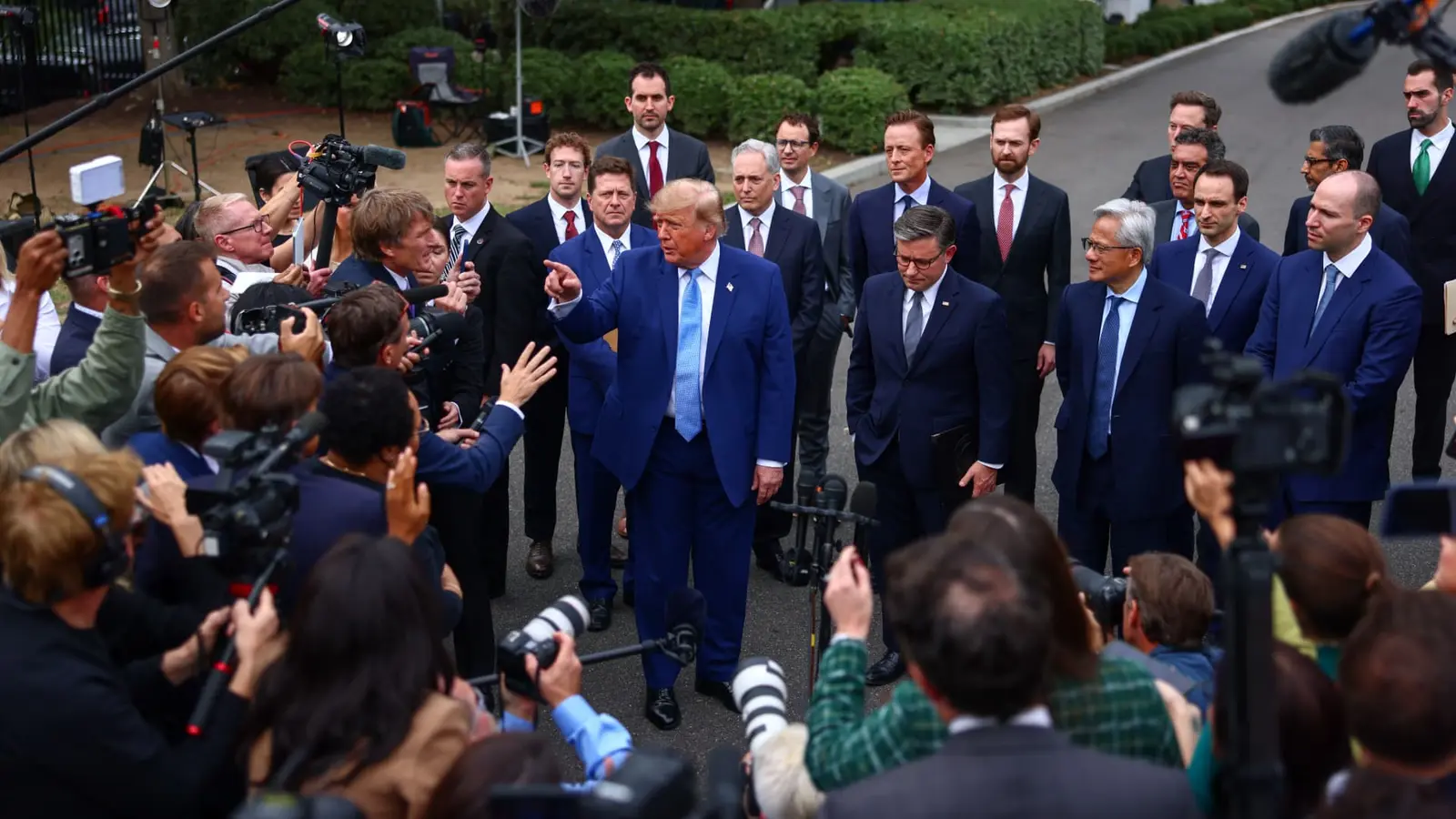
Markets remained alert on Tuesday, September 29, 2026, as investors monitored developments in artificial intelligence policy and Treasury yield movements ahead of month-end. Former President Donald Trump and prominent AI executives signed a non-binding agreement pledging ethical AI development, while Trump simultaneously issued an executive order seeking to rebrand „artificial intelligenceas ”super intelligencein federal communications. The announcements came alongside OpenAI's Developer Day event, where the company unveiled new model capabilities and tools for builders.
The AI agreement, described by participants as a voluntary commitment to transparency and safety, aims to address growing concerns over algorithmic bias and misuse without imposing legal penalties. Trump's executive order, however, drew criticism from tech experts who argued the terminology shift lacks scientific basis and could confuse public understanding of AI systems. Treasury yields stayed under scrutiny as traders assessed whether recent inflation data would influence the Federal Reserve's upcoming policy decisions, with the 10-year note hovering near 4.2%.
What Does This Mean for Future Regulation?
Market analysts noted that while the symbolic agreement signals increased political engagement with AI governance, its non-binding nature limits immediate regulatory impact. Some investors expressed skepticism about the practical effect of renaming AI initiatives, suggesting it may reflect more on messaging strategy than substantive policy change. OpenAI's DevDay presentations, featuring enhanced Traders adjusted positions in semiconductor and cloud computing stocks, balancing optimism about technological advancement with caution over potential oversight shifts.
The dual approach—voluntary industry pledges paired with executive rebranding efforts—highlights the ongoing tension between fostering innovation and establishing guardrails for AI deployment. Legal scholars questioned whether the executive order could withstand judicial review, given that federal agencies typically rely on established technical terminology in regulations and funding guidelines. Meanwhile, Treasury yield stability suggested markets are pricing in a cautious Fed stance, with traders waiting for October employment data before making major bets on rate trajectories. The convergence of policy signals and economic indicators is shaping a volatile but attentive market environment as September closes.
Is the AI agreement legally enforceable? No, the agreement signed by Trump and AI leaders is described as morally binding but carries no legal penalties for non-compliance, functioning more as a public commitment than a regulatory framework.
Frequently Asked Questions
Why did Trump seek to rename AI as „super intelligence”? The executive order aims to change the terminology used in federal documents and communications, though experts argue it lacks technical foundation and may be intended to emphasize perceived advancements in AI capabilities.
How did Treasury yields react to the news? Yields remained relatively stable around the 4.2% level for the 10-year note, indicating investors are weighing AI policy news against inflation trends and upcoming Federal Reserve policy considerations.