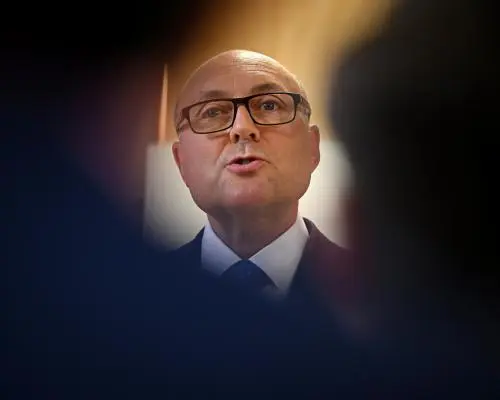
Deepening the Fiscal Retrenchment
The Conservative Party is reportedly preparing to implement significant spending cuts that exceed the £47 billion reduction plan announced last year. Leaked remarks from Andrew Griffith, the shadow chancellor, suggest that senior party officials have been quietly deliberating additional fiscal tightening strategies should they secure a victory in the upcoming general election.
These discussions occurred while Griffith served as the shadow business secretary. During a private meeting with party members, he indicated that the shadow cabinet has been exploring various avenues to reduce public expenditure further. These potential measures aim to reshape government spending priorities if the party returns to power.
The proposed strategy signals a shift toward more aggressive economic policies than previously disclosed to the public. By moving beyond the initial £47 billion target, the Conservatives intend to exert greater control over the national budget. The party leadership views these additional adjustments as necessary steps to address long-term fiscal challenges.
Will These Cuts Reshape Future Public Services?
Internal deliberations highlight a focus on streamlining government operations and reducing the overall burden on the state. While the specific sectors targeted for these deeper cuts remain undisclosed, the comments confirm that the party is actively modeling a more austere financial landscape. This approach reflects a broader commitment to fiscal discipline among the shadow cabinet.
The potential for expanded austerity raises significant questions about the future of essential public services. If the party proceeds with these deeper reductions, the impact on healthcare, education, and infrastructure could be substantial. Voters are now left to consider how these hidden plans might alter their daily lives under a new administration.
Frequently Asked Questions
The shadow cabinet maintains that such measures are vital for economic stability. However, the lack of transparency regarding these plans may influence public perception as the election approaches. The coming months will likely see increased scrutiny of these proposals as the party prepares its formal platform for the national vote.
What is the primary goal of the proposed spending cuts? The party aims to achieve greater fiscal discipline and reduce national expenditure. These measures are intended to address long-term economic challenges through significant budgetary adjustments.
How do these new plans differ from previous announcements? The new strategy involves extending austerity measures beyond the £47 billion threshold previously publicized. These additional cuts were discussed internally by the shadow cabinet to further streamline government operations.