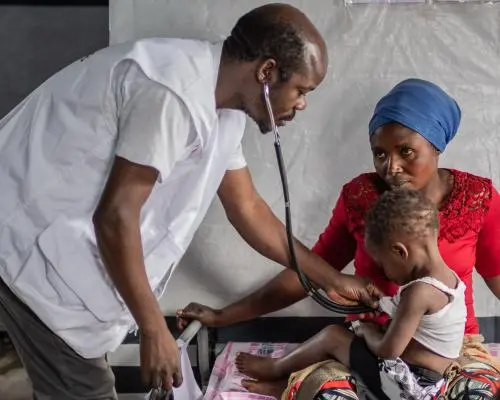
How aid cuts fuel the outbreak
Wealthy nations plan to reduce overseas funding, threatening vaccination programs in developing regions. This move could fuel a new wave of measles cases.
The UK government is preparing to slash its foreign aid budget. The reduction targets health initiatives in lower-income countries. Measles cases are already climbing worldwide. Experts warn that underfunding will leave populations vulnerable. The virus spreads easily through the air. Children in aid-dependent regions face the highest risk.
Foreign aid funds vaccine distribution and health worker training. Without it, coverage gaps widen. Measles thrives where immunization rates drop below 95 percent. The UK’s planned reductions hit exactly those programs. Developing nations lack the resources to fill the gap.
Will this trigger another pandemic?
Not necessarily, but the risk is real. Measles is highly contagious. A single unvaccinated cluster can spark rapid transmission. Public health officials stress that prevention is cheaper than treatment. The window to act is now.
The consequences extend beyond one country. Measles crosses borders through travel and trade. A resurgence in one region can spill into others. Global health systems are stretched thin. Restoring aid before cases explode is the only safe path.
Frequently Asked Questions
Will the UK aid cut affect measles vaccination? Yes. The cut reduces funds for vaccine procurement and health education in developing countries.
Can measles cause a new pandemic? It can, if vaccination coverage falls too low. The virus spreads quickly in unvaccinated groups.
How many countries are affected? Measles is resurging in multiple regions, including parts of Africa, Asia, and Eastern Europe.