Legislative Pushback Against Executive Foreign Policy Dominance
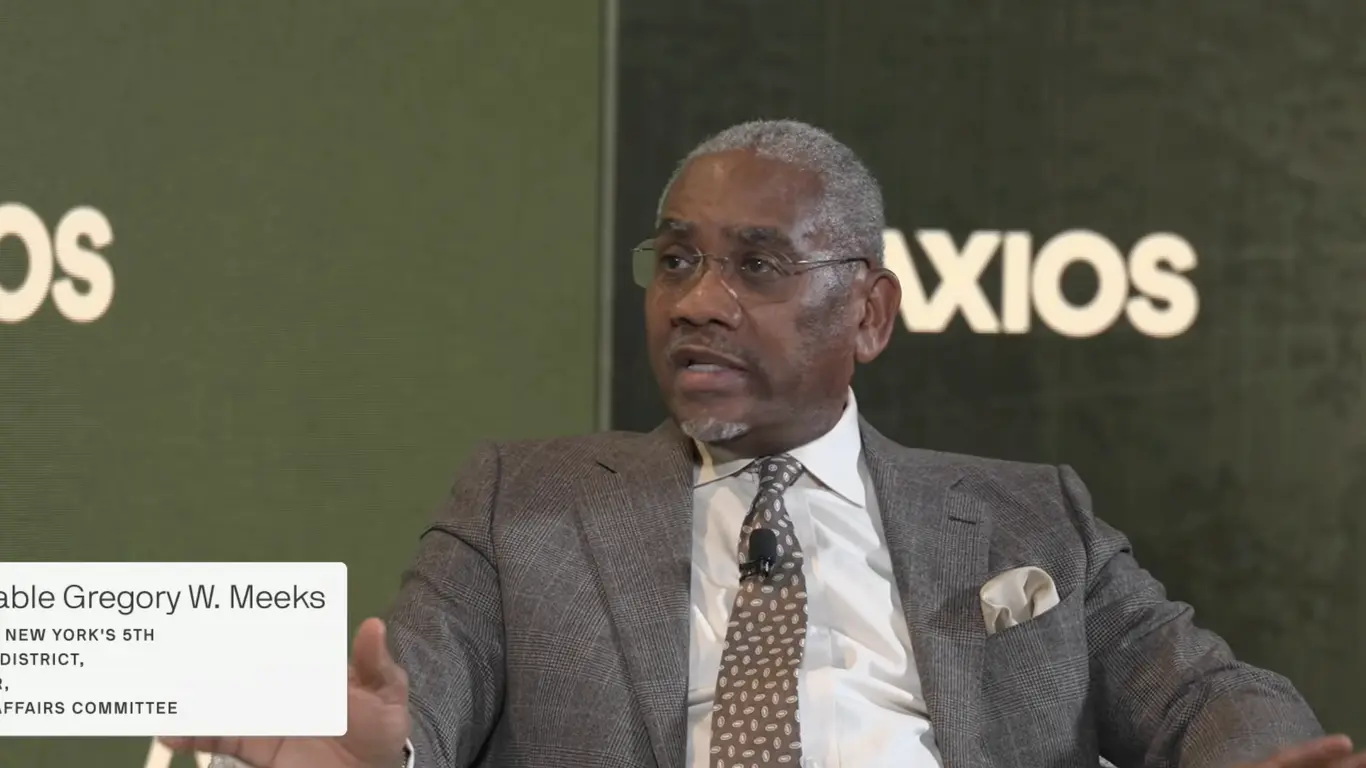
Representative Gregory Meeks of New York declared on Thursday that the U. S. Congress intends to recover powers previously surrendered to the executive branch. Speaking at the Axios Future of Defense summit, the New York Democrat outlined a bold strategy for legislative reassertion. He positioned this move as a direct response to the current administration's approach to governance and national security.
Meeks emphasized that the legislative body will no longer remain passive in the face of executive overreach. As the senior Democrat on the House Foreign Affairs Committee, he signaled that the chamber is preparing to challenge specific policy decisions. This stance marks a significant shift in how Democrats plan to engage with the White House on international matters.
The statement serves as a formal warning to the Trump administration regarding its foreign policy agenda. Meeks indicated that Congress will utilize its constitutional tools to scrutinize and potentially block executive actions. This includes leveraging committee oversight, funding mechanisms, and legislative amendments to ensure checks and balances function effectively. The focus remains on restoring the bicameral legislature’s traditional role in shaping America’s global standing. By asserting this authority, Meeks aims to prevent unilateral decision-making that bypasses congressional debate and approval processes.
Can Congress Effectively Check Presidential Power?
The timing of this declaration coincides with ongoing tensions between the legislative and executive branches. Critics argue that recent administrations have increasingly relied on executive orders rather than legislation to implement major policy changes. Meeks’s comments reflect a broader Democratic effort to reverse this trend. They seek to establish a firmer boundary between presidential power and congressional prerogatives, particularly in areas of defense and diplomacy where legislative input is historically critical.
Observers are watching closely to see if this rhetorical commitment translates into tangible legislative action. The success of this initiative depends on the ability of House leadership to build consensus and navigate procedural hurdles. If the Democratic caucus can maintain discipline, they may introduce targeted bills designed to limit executive discretion in foreign affairs. However, potential gridlock remains a concern if the Senate does not align with similar objectives. The effectiveness of these measures will determine whether Congress can truly reclaim its institutional strength or if the executive branch continues to dominate the policy landscape.
Frequently Asked Questions
In the coming months, the House Foreign Affairs Committee is expected to hold a series of hearings and debates focused on key international challenges. These sessions will likely serve as the primary venue for Meeks and his colleagues to assert their influence. The outcome of these proceedings could set a precedent for future interactions between Congress and the White House. Ultimately, this push for legislative primacy highlights the enduring struggle over the separation of powers within the American government.
Who is Gregory Meeks? Gregory Meeks is a U. S. Representative from New York and the senior Democrat on the House Foreign Affairs Committee. He is currently leading efforts to increase congressional oversight of executive branch policies.
When did Meeks make this announcement? He made the declaration on Thursday during the Axios Future of Defense summit. The event provided a platform for him to outline the legislative strategy for the upcoming session.