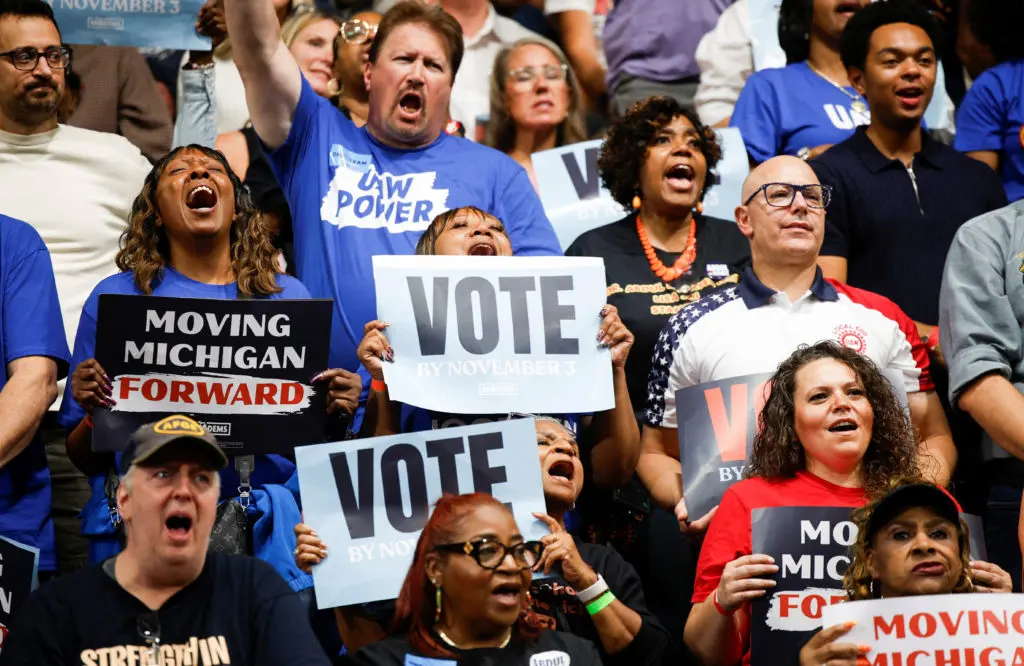
The Power of Voter Discontent
Recent polling data reveals that Democratic candidates currently maintain an eight-point advantage over their Republican rivals among likely voters. This shift comes as the nation approaches a critical juncture in the battle for congressional control. High levels of voter engagement are being fueled by intense public sentiment regarding the current political climate.
The surge in early participation appears directly linked to public disapproval of Donald Trump. Voters who express dissatisfaction with the former president are hitting the polls ahead of schedule, signaling a high level of urgency among the opposition. This trend suggests that negative sentiment toward the Republican figurehead is acting as a primary catalyst for Democratic turnout.
Political analysts note that the current environment is heavily influenced by the polarization surrounding the Republican leadership. When voters feel strongly against a specific candidate, they are statistically more likely to cast their ballots early to ensure their voices are heard. This mobilization effort is currently providing Democrats with a measurable cushion in key districts.
The data indicates that this enthusiasm gap is not merely a statistical anomaly but a reflection of deep-seated electoral priorities. As the campaign enters its final phase, the focus remains on whether this momentum can be sustained through Election Day. Both parties are now scrambling to secure the support of undecided voters who could determine the final outcome.
Can Democratic Momentum Withstand Final Campaign Shifts?
The long-term impact of this early voting trend remains uncertain as late-breaking developments often shift public opinion. While the current lead provides a strategic advantage, the final tally depends on the ability of each party to maintain its voter base. The outcome will ultimately hinge on whether the disapproval of the opposition remains a strong enough motivator to drive record-breaking participation.
Frequently Asked Questions
What is the current margin between the two parties? Democrats currently hold an eight-point lead among likely voters as they compete for control of Congress.
Why is early voter turnout increasing? The surge in early voting is largely driven by voters who disapprove of Donald Trump and are motivated to express their opposition at the polls.