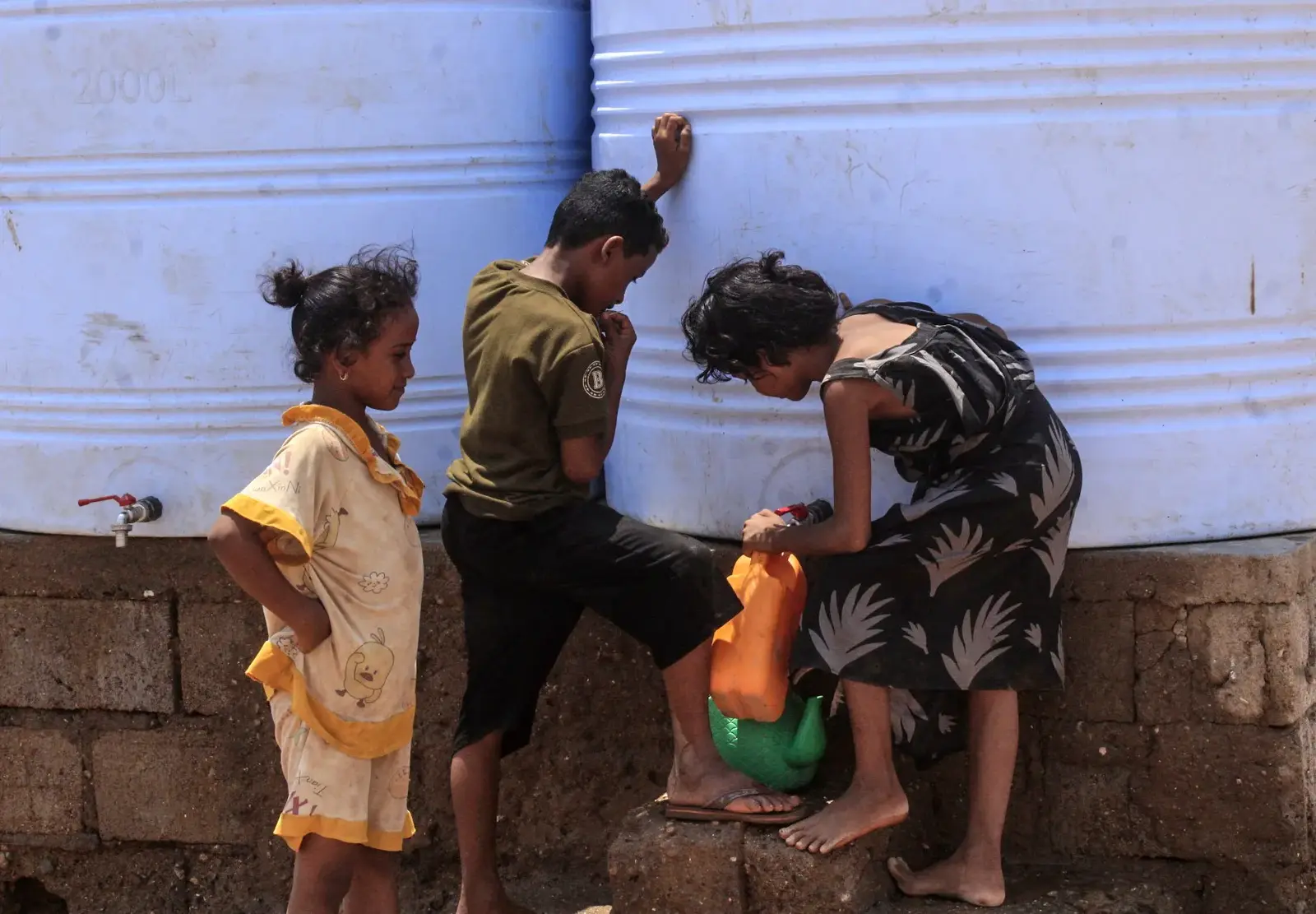
Refugee Camp Overcrowding and Humanitarian Shortfalls
The small East African nation of Djibouti has become a frontline for refugees fleeing conflict zones in Yemen and Somalia. Since early 2024, the number of displaced people seeking shelter in Djibouti’s camps has surged, straining the country’s limited resources and heightening security concerns.
Djibouti’s strategic location on the Bab‑Al‑Mandab Strait makes it a key transit point for refugees moving toward Europe. The country’s government has struggled to provide adequate housing, food and medical care. Meanwhile, local communities report rising tensions as refugees compete for jobs and services. The influx is compounded by the ongoing Houthi campaign along the Red Sea, which has increased maritime attacks and disrupted shipping lanes.
The main camps in Djibouti—Bukar and Toubou—now house more than 30,000 people each, far exceeding their intended capacities. Many families live in temporary shelters made from tarpaulin and plastic. Basic sanitation facilities are scarce, and water shortages are common. Health workers warn of outbreaks of cholera and malaria if conditions do not improve.
How Houthi Attacks Amplify the Crisis?
International aid agencies have stepped in, but funding is uneven. The United Nations High Commissioner for Refugees (UNHCR) has called for a coordinated response, urging host governments to share the burden. Local NGOs report that children are the most vulnerable, with many lacking access to education.
The Houthi rebellion in Yemen has intensified attacks on shipping vessels along the Red Sea. These incidents threaten Djibouti’s vital maritime trade routes and create a climate of fear among both locals and refugees. The instability forces many refugees to seek alternative routes, often through dangerous sea crossings. In addition, the Houthi campaign has led to a rise in piracy and smuggling, further complicating border control efforts.
Government officials say that the security situation has forced the military to divert resources from humanitarian operations to patrol duties. The result is a slower response to emerging needs in the camps. The international community has urged the United Nations Security Council to address the root causes of the Houthi conflict, which directly affect Djibouti’s stability.
The combination of a growing refugee population and regional insecurity places Djibouti at a precarious crossroads. The country’s economy, already fragile, faces new pressures. If the situation persists, Djibouti may become a flashpoint for larger regional conflicts, drawing in neighboring states and international actors.
Frequently Asked Questions
What is the main cause of the refugee influx into Djibouti? The primary drivers are ongoing conflicts in Yemen and Somalia, which push civilians to flee to safer neighboring countries.
How is Djibouti’s government responding to the crisis? The government has expanded camp facilities and increased security patrols, but it relies heavily on international aid to meet basic needs.
What role does the Houthi campaign play in the region’s instability? Houthi attacks on shipping lanes disrupt trade, heighten security concerns, and force refugees to take riskier routes, worsening the humanitarian situation.