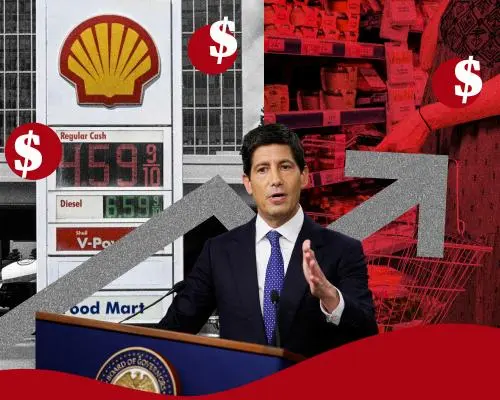
The Burden of Rising Costs
With less than three weeks remaining until the November 3 election, the American economy has emerged as the primary concern for voters nationwide. As citizens prepare to head to the polls, persistent inflation, volatile employment trends, and fluctuating fuel prices are forcing candidates to confront widespread public frustration regarding their financial stability.
The current economic climate is characterized by significant strain on household budgets. High costs for essential goods and gasoline have left many consumers feeling alienated and anxious about their future. This atmosphere of discontent is further complicated by recent leadership shifts at the Federal Reserve, where Kevin Warsh has stepped into the role of chair during this critical period.
Voters are expressing deep anger over the cost of living, which has remained stubbornly high despite various policy interventions. Families are struggling to balance their monthly expenses as the price of groceries and energy continues to outpace wage growth. This financial squeeze has become a central theme in political debates, with both parties scrambling to offer solutions that resonate with a disillusioned electorate.
Will Economic Discontent Shift the Balance of Power?
The job market also remains a point of contention. While some sectors show resilience, others are experiencing instability that fuels uncertainty among the workforce. These economic realities are not merely statistics; they are daily hurdles that influence how individuals perceive the efficacy of the current political leadership.
The ultimate question is whether this economic anxiety will result in a significant shift in legislative control. Historical trends suggest that voters often penalize the party in power when financial conditions deteriorate. If the current trend of high prices continues, Republican candidates may find themselves with a distinct advantage as they campaign on promises of fiscal reform and market stability.
Frequently Asked Questions
However, the outcome remains unpredictable. Much depends on whether voters believe that the opposition offers a more viable path toward economic recovery. As election day approaches, the political narrative is almost entirely dominated by the state of the national economy and the perceived failure of existing strategies to provide relief.
Why is the economy the main focus of these elections? Voters are experiencing direct financial pressure from high inflation and rising fuel costs. These daily expenses have made economic policy the most urgent issue for most households.
How does the change in Federal Reserve leadership affect the campaign? The appointment of a new Fed chair introduces uncertainty into the financial landscape. Voters are looking for signs of stability, and the transition adds another layer of complexity to the economic debate.