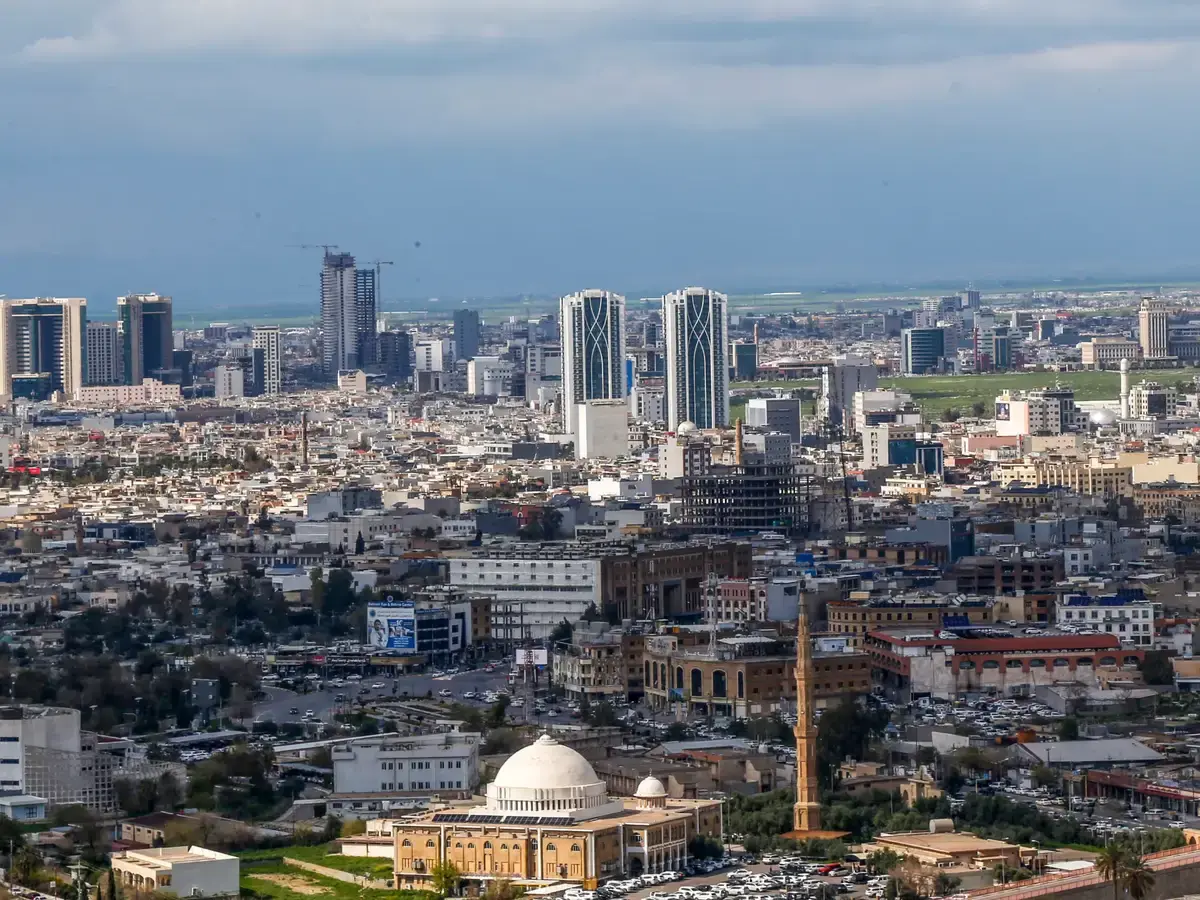
Supply Chain Collapse and Market Volatility
The Kurdistan Regional Government (KRG) reports that its economy is facing a critical crisis as regional instability intensifies. Ongoing friction between the United States and Iran has severely disrupted trade routes and commercial activities. Officials confirm that roughly 70 percent of the region’s usual trade volume has evaporated due to the current geopolitical climate.
This economic downturn stems from the KRG’s strategic position between competing regional powers. As tensions flare, border crossings and logistical corridors frequently experience closures or heightened security protocols. These obstacles prevent goods from reaching local markets, stifling the flow of essential supplies and revenue. Businesses across the semi-autonomous territory are struggling to maintain operations under these unpredictable conditions.
Local merchants report that the scarcity of imported goods has triggered sharp price increases for basic necessities. The reliance on external trade routes makes the regional economy highly vulnerable to external military posturing. Many small businesses have been forced to shutter their doors as the cost of doing business becomes unsustainable.
Can Regional Diplomacy Restore Economic Stability?
The lack of consistent trade has also impacted the regional government's ability to fund public services. With tax revenues plummeting alongside trade volume, the administration faces mounting pressure to manage its budget. Public sector workers remain concerned about the stability of their salaries as the fiscal shortfall widens.
The path toward recovery remains unclear as long as the broader conflict persists. Regional leaders are calling for de-escalation to protect the livelihoods of millions residing in the Kurdish region. Without a significant shift in international relations, the economic isolation of the territory is expected to deepen.
Frequently Asked Questions
The long-term outlook remains grim for investors and local entrepreneurs alike. If the current trade blockade continues, the region risks a prolonged period of stagnation. Stability depends heavily on the ability of international actors to contain the fallout from the ongoing US-Iran standoff.
What is the primary cause of the economic crisis in Iraqi Kurdistan? The crisis is driven by the regional conflict between the United States and Iran. This geopolitical tension has severely restricted trade routes and commercial logistics.
How much has the region's trade been affected? The Kurdistan Regional Government estimates that trade activity has dropped by 70 percent. This massive decline has severely impacted local markets and government revenue streams.