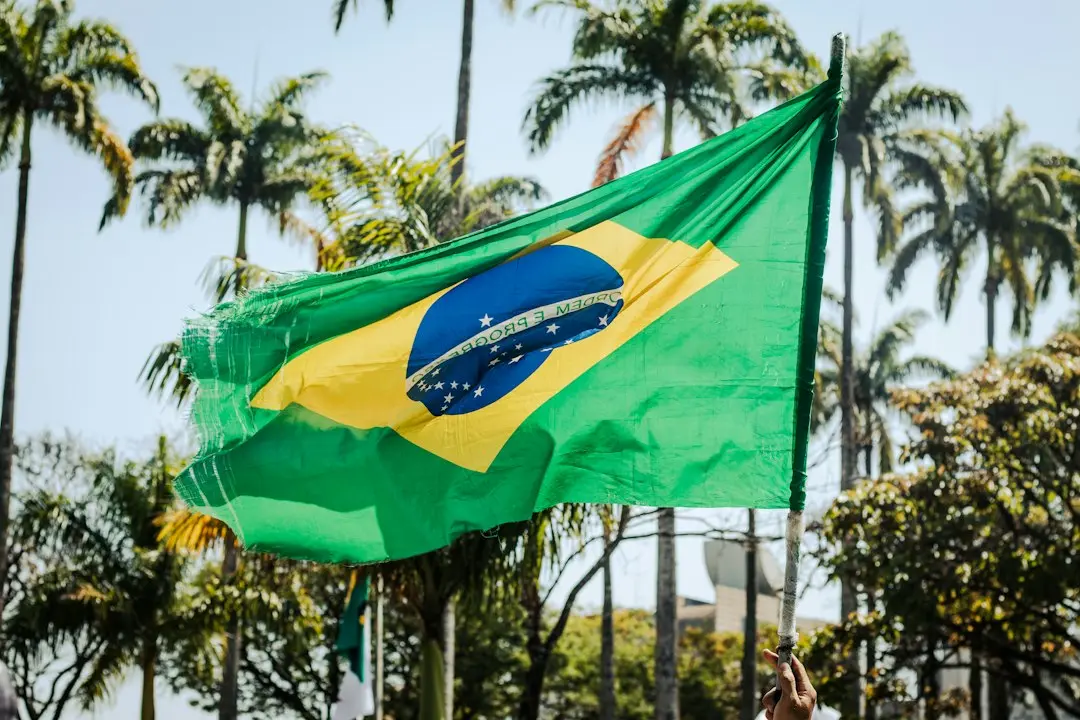
Polling Paradox: How a 50‑50 Split Shapes Campaign Strategy
The final stretch before Brazil’s presidential runoff on October 25 has seen the race tighten to a statistical tie. Polls from the last week had shown right‑wing candidate Flávio Bolsonaro with a slight edge, but the most recent survey by PoderData now reports a 50‑percent split in voter support between him and incumbent Luiz Inácio Lula da Silva. With less than a week to go, the outcome remains uncertain.
The two contenders represent polarised political camps. Lula, a left‑wing leader who returned to the presidency in 2023, has campaigned on social welfare and economic reform. Bolsonaro, the son of former president Jair Bolsonaro, positions himself as a conservative alternative, promising law and order and a return to traditional values. The electorate’s division reflects deeper societal cleavages, and the polls suggest that every vote will be decisive.
PoderData’s latest figures indicate an exact 50‑percent share for both candidates, a statistical anomaly that could influence campaign tactics. Campaign teams may now shift focus from broad outreach to targeted persuasion, concentrating on undecided voters and those who previously leaned toward third‑party options. Analysts note that such a tight margin amplifies the importance of voter turnout, especially among younger demographics who historically favor Lula.
What If Bolsonaro Wins?
The polling methodology, which combines telephone interviews and online surveys, has been praised for its transparency. Yet critics argue that the sample may underrepresent rural voters, a demographic that has historically leaned toward Bolsonaro. If this bias exists, the actual voter distribution could shift in the final days.
The question of Bolsonaro’s potential victory carries significant implications for Brazil’s political landscape. A win would likely consolidate conservative influence, potentially reversing some of Lula’s social policies. Economically, it could attract foreign investment by signaling a return to market‑friendly governance, but critics warn of increased inequality.
Conversely, a Lula victory would reinforce progressive agendas, including expanded social programs and environmental commitments. The country would also face challenges in managing the lingering effects of the pandemic and inflation. In either scenario, the international community will watch closely, as Brazil’s role in global trade and climate negotiations remains pivotal.
Frequently Asked Questions
Q1: How reliable are the recent polls? A1: The polls employ a mix of telephone and online sampling, with a reported margin of error of ±3 percentage points. While no poll is perfect, the consistency across multiple sources lends credibility to the 50‑50 split.
Q2: What is the voter turnout expectation for the runoff? A2: Historical data suggest turnout could reach 70‑80 percent, especially given the high stakes. Mobilization efforts by both campaigns aim to maximize participation.
Q3: Will the election outcome affect Brazil’s economic policy? A3: Yes. A Bolsonaro win could shift the economy toward deregulation, while a Lula win would likely maintain or expand social spending and regulatory oversight.