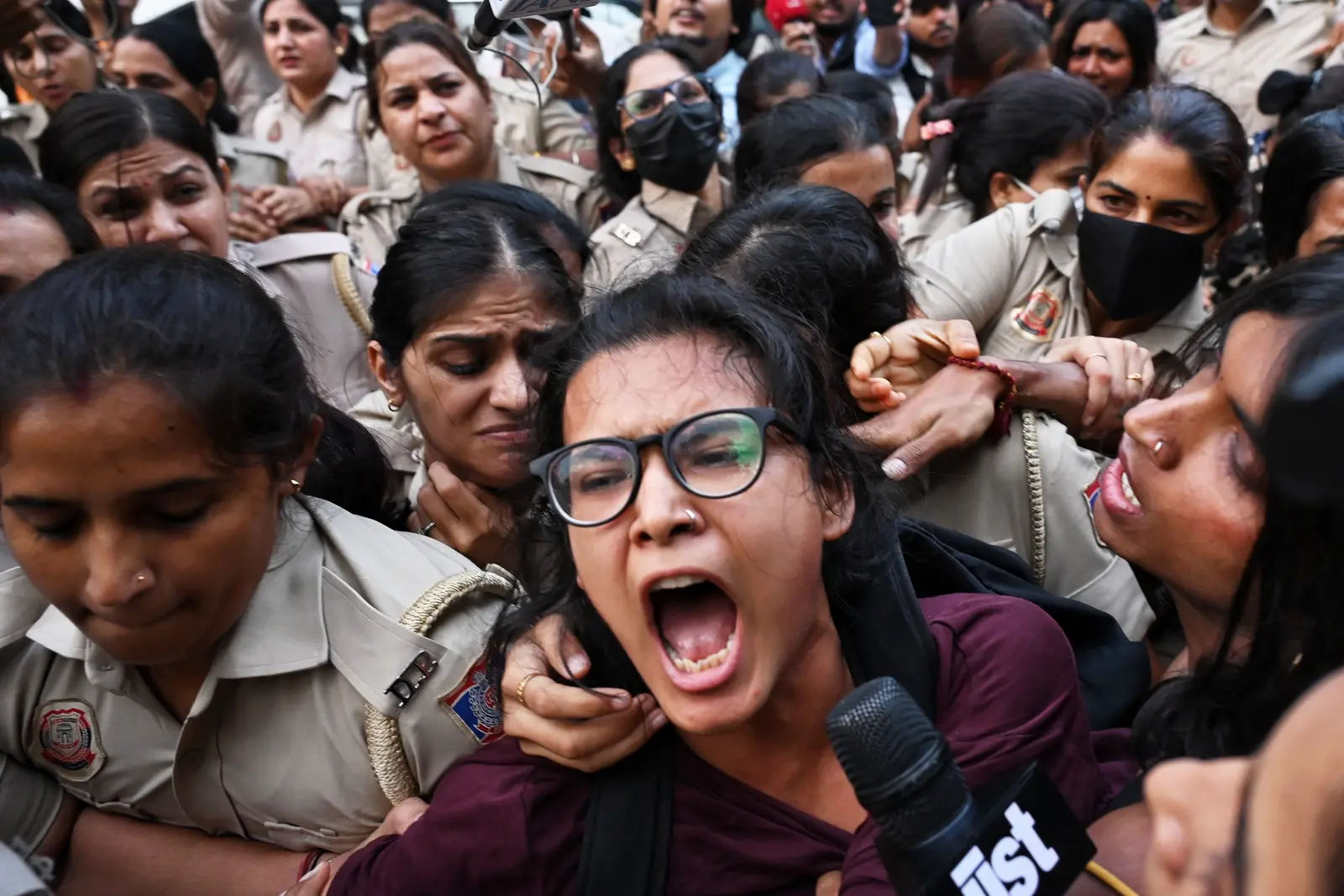
Flag‑Waving Protest Highlights Growing Discontent
Thousands of citizens gathered on a busy street in New Delhi on Tuesday, waving Indian flags and chanting for the resignation of the Election Commission chief. The demonstration unfolded amid escalating protests over the government's proposed changes to voter lists, a move critics say threatens electoral integrity.
The crowd, estimated at several thousand, marched along the main boulevard near the Parliament building. Protesters held placards demanding transparency in the voter registration process and calling for a halt to the controversial reforms. The rally coincided with a broader wave of dissent across the capital, as citizens voiced concerns about the ruling party’s influence over electoral procedures.
Why Are Voter List Reforms Controversial?
The visual display of the national flag drew attention from passersby and media alike. Participants carried the tricolor in large banners, symbolizing unity while demanding accountability from the Election Commission. Some activists highlighted the need for independent oversight, arguing that the current reforms could skew voter representation in favor of the ruling party. The protest’s timing—just weeks before the next general election—underscores the urgency felt by many citizens.
The proposed amendments aim to streamline the voter registry by removing duplicate entries and updating outdated records. Supporters claim the changes will reduce fraud and improve the accuracy of the electoral roll. However, opposition leaders argue that the revisions could disproportionately affect minority communities, leading to disenfranchisement. They point to past instances where similar updates have resulted in voter suppression. The Election Commission has pledged to conduct a nationwide audit, but critics fear that the audit may lack transparency.
Can the Reform Pass Without Public Backlash?
The protests raise questions about the feasibility of passing the reforms amid growing public scrutiny. Political analysts suggest that the ruling party may face significant hurdles in securing parliamentary approval if the opposition rallies more support. The government has indicated it will proceed with the amendments, citing the need for a robust electoral framework. Yet, the current wave of dissent could force a reassessment of the strategy, especially if civil society and media continue to spotlight potential irregularities.
The outcome of this debate will shape the next general election. A failure to address voters’ concerns could erode trust in the democratic process, while a successful reform could strengthen electoral integrity. The situation remains fluid, with both sides preparing for further negotiations and potential legal challenges.
What is the main issue behind the protests? The protests target proposed changes to voter lists, which critics say could lead to voter suppression and undermine electoral fairness.
Frequently Asked Questions
How many people participated in the demonstration? Estimates suggest several thousand participants gathered on the main boulevard in New Delhi.
What are the potential consequences of the reforms? If passed without adequate safeguards, the reforms could disenfranchise minority voters and erode public confidence in the electoral system.