Breakdown of the Pretoria Peace Accord
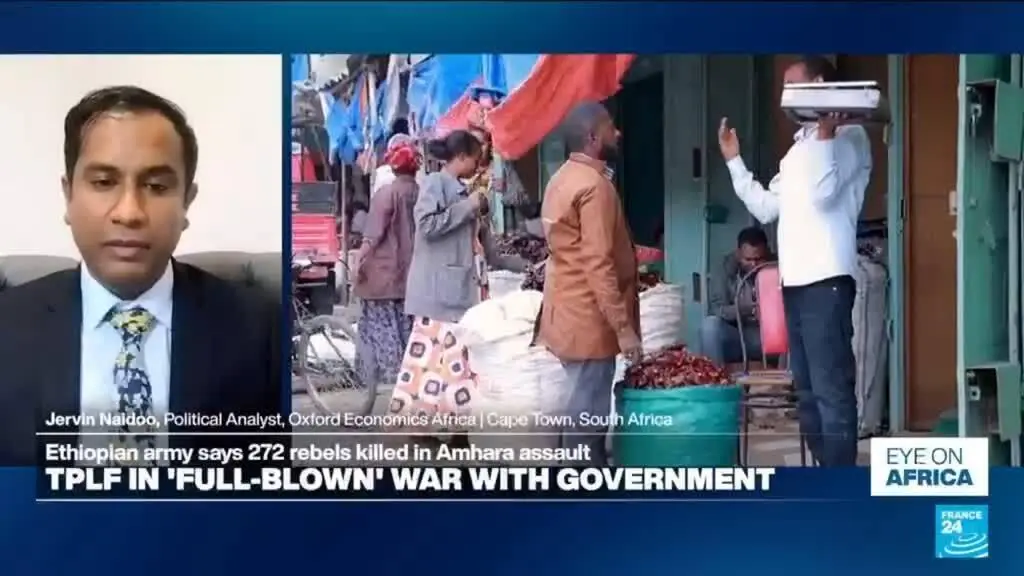
Rebel leaders in Ethiopia's northern Tigray region declared they are engaged in total warfare against federal government forces, marking a devastating collapse of previous peace agreements and threatening millions of vulnerable civilians across the Horn of Africa.
The sudden escalation shatters months of fragile calm that followed a devastating two-year civil conflict. Humanitarian organizations report that renewed hostilities are already restricting crucial aid deliveries, worsening an already severe food insecurity crisis in the affected territories.
The resurgence of armed conflict highlights deep political divisions that remained unresolved despite international mediation efforts and formal peace negotiations held in South Africa.
Can Humanitarian Corridors Survive the Escalation?
Federal authorities and regional insurgent commanders traded blame for the latest military mobilization. Both sides accuse each other of violating cease-fire terms and massing troops along contested administrative borders.
Aid workers warn that renewed combat operations will likely trap hundreds of thousands of civilians without access to medical care, clean water, or emergency food supplies.
Frequently Asked Questions
International monitors urge an immediate cessation of hostilities to prevent further regional destabilization and protect vulnerable populations from the catastrophic human costs of prolonged urban warfare.
What caused the breakdown of peace in Tigray? Persistent political disputes and disagreements over troop movements led both sides to abandon the cease-fire and resume full-scale military operations.
Are aid agencies able to reach civilians? Renewed fighting has severely disrupted humanitarian access, leaving critical food and medical supplies blocked from reaching vulnerable populations in the region.