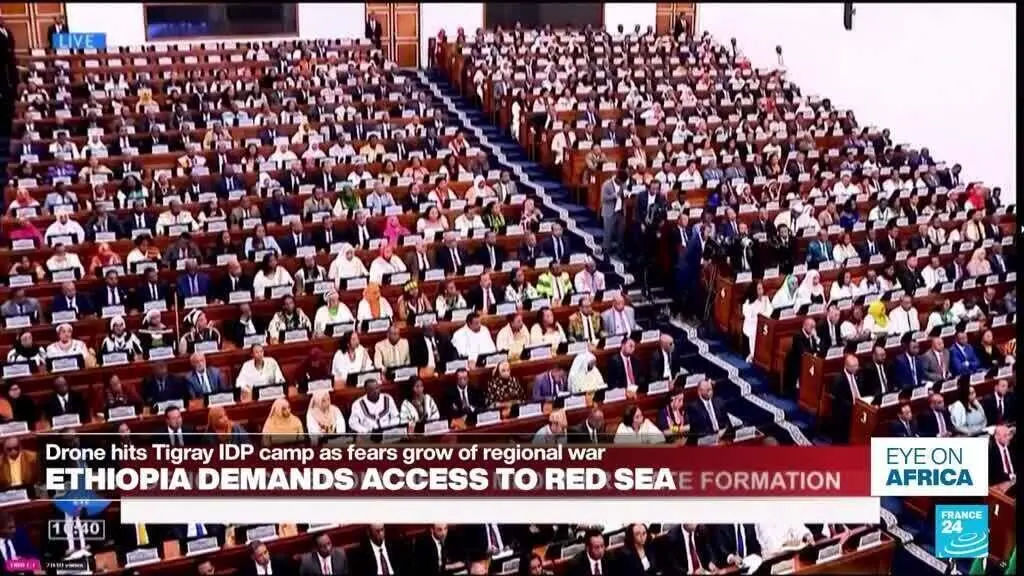
Why Ethiopia Desires a Direct Red Sea Corridor
Abiy Ahmed has secured a third term in Ethiopia’s presidential election, held last night. The land‑locked nation is now pushing for a maritime corridor to the Red Sea, a move that could reshape its trade routes and regional influence.
The government argues that access to the sea is essential for economic growth and food security. Ethiopia has long relied on neighboring Djibouti’s port facilities, but the new administration wants a dedicated channel that would reduce dependence on a single transit point and boost regional integration.
How Will the Corridor Impact Regional Dynamics?
Ethiopia’s strategic goal is to secure a sovereign maritime route that connects its interior to international markets. The proposed corridor would run through the neighboring country of Djibouti, leveraging existing infrastructure while granting Ethiopia greater control over shipping lanes. Analysts say the move could lower freight costs, increase export volumes, and provide a buffer against geopolitical tensions that could disrupt current supply chains.
The plan also aligns with Ethiopia’s broader economic vision, which includes expanding manufacturing and diversifying exports beyond agriculture. By establishing a direct sea link, the country hopes to attract foreign investment and stimulate industrial growth in the northern regions.
The proposal has sparked debate among regional powers. Djibouti welcomes the idea as it could bring investment and job creation, but it also raises concerns about sovereignty and security. Ethiopia’s request could shift the balance of influence in the Horn of Africa, prompting neighboring states to reassess their own maritime strategies.
What Are the Risks and Opportunities for Ethiopia?
International partners, including the European Union and the United States, have expressed cautious support, emphasizing the need for transparent negotiations and adherence to international law. The success of the project will depend on diplomatic negotiations, infrastructure financing, and the ability to manage potential environmental impacts along the proposed route.
The corridor could unlock new markets and reduce logistical bottlenecks, but it also carries risks such as high construction costs, potential environmental damage, and the need for robust security measures. Ethiopia must navigate these challenges while maintaining strong ties with both regional neighbors and global investors. The outcome will shape the country’s economic trajectory for years to come.
Q1: Why is Ethiopia land‑locked? A: Ethiopia lost its coastline after the Eritrean War of Independence in 1993, leaving it without direct sea access.
Frequently Asked Questions
Q2: How will the new corridor differ from current arrangements? A: Unlike the current reliance on Djibouti’s port, the corridor would provide Ethiopia with a dedicated channel, potentially reducing transit fees and increasing control over shipping schedules.
Q3: What is the international community’s stance? A: Global partners support the idea in principle but stress that negotiations must respect sovereignty, environmental standards, and regional stability.