Philippine exporters of coconut products and fruits could see improved access to European markets
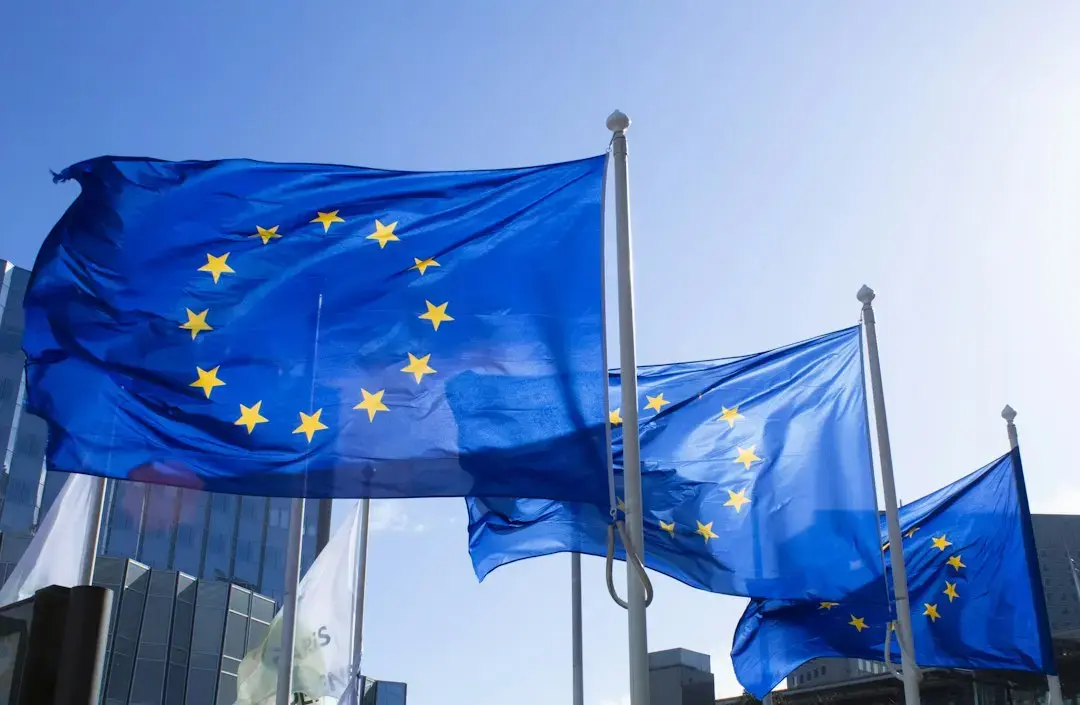
European Commission President Ursula von der Leyen announced a substantial agreement on a trade deal with the Philippines following a phone call with President Ferdinand Marcos Jr. The development comes after months of negotiations aimed at strengthening economic ties between the two regions. While the announcement signals progress, officials confirm that technical work remains to finalize the accord. The proposed agreement seeks to reduce tariffs and improve market access for goods and services, particularly benefiting agricultural and manufacturing sectors. Von der Leyen emphasized the shared commitment to fair and sustainable trade, noting that the deal aligns with broader EU strategies to deepen partnerships in Asia. Negotiators from both sides have been working to address lingering concerns over intellectual property rights and regulatory standards. Key Sectors Expected to Benefit from the Deal Industries such as electronics, pharmaceuticals, and renewable energy are anticipated to gain from reduced trade barriers under the agreement.
Philippine exporters of coconut products and fruits could see improved access to European markets, while EU firms may find new opportunities in infrastructure and digital services. Both parties have highlighted the importance of including small and medium-sized enterprises in the implementation process to ensure inclusive growth. How Will the Agreement Address Environmental and Labor Standards? The deal incorporates provisions aimed at upholding environmental protections and labor rights, reflecting the EU’s insistence on sustainability clauses in its trade agreements. Officials stated that mechanisms will be established to monitor compliance, including regular dialogue and potential remedial actions. Critics, however, urge caution, calling for stronger enforcement to prevent loopholes that could undermine these commitments. Frequently Asked Questions What does substantial agreementmean in this context? It indicates that core elements of the trade deal have been resolved, though final legal texts and technical details still require completion before formal signing.
When is the expected timeline for the deal to be finalized? Negotiators aim to conclude outstanding issues within the next few months, with a potential signing scheduled for later this year, pending internal approvals. Will the agreement affect existing tariffs on Philippine exports to the EU? Yes, the deal is designed to gradually reduce or eliminate tariffs on many Philippine goods, enhancing their competitiveness in European markets.