Diverging Visions for the Union’s Future Spending
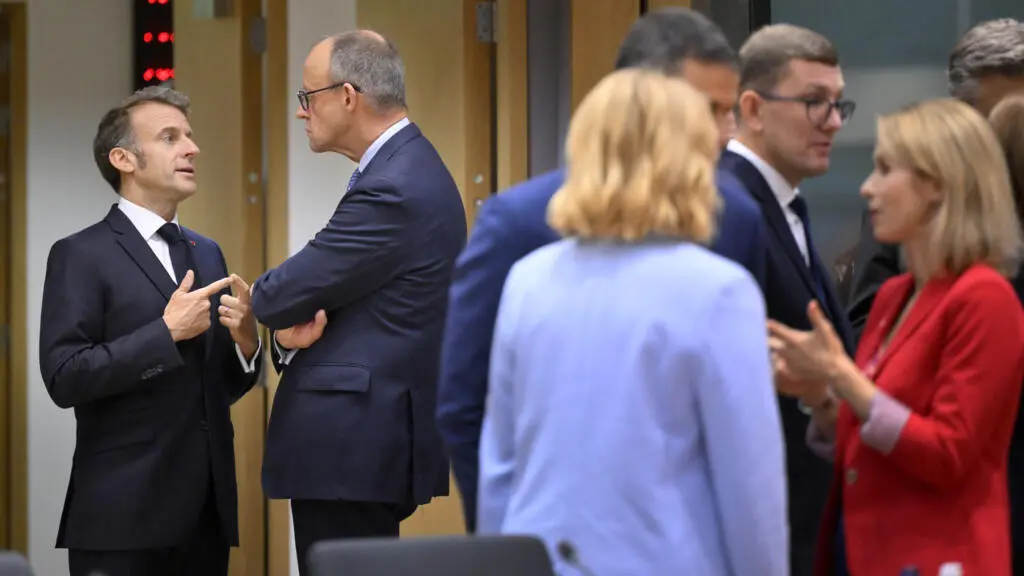
EU heads of state and government will gather Thursday in Brussels to hammer out a deal on the Union’s 2028‑2034 multi‑annual financial framework, a budget close to €2 trillion. The summit comes as the bloc faces deep splits over spending priorities and looming national elections, especially in France, that could empower eurosceptic parties.
Negotiators are under pressure to reach an agreement before Christmas, a deadline set by the European Commission to keep funding streams uninterrupted. The talks are expected to be fraught, with northern countries pushing for higher allocations to climate and innovation, while southern members demand more support for agriculture and social cohesion. The political climate adds urgency: recent polls show a surge in anti‑EU sentiment in several member states, and a fragmented French parliament could see a coalition that questions Brussels’ fiscal authority.
The northern bloc, led by Germany, the Netherlands and the Nordic states, argues that the next financial framework must prioritize green transition, digital infrastructure and research. „We cannot afford to lag behind on climate goals,” said a German finance minister, emphasizing the need for robust funding mechanisms to meet the EU’s 2030 emissions targets.
Conversely, southern leaders, including Italy and Spain, stress the importance of bolstering cohesion funds to address lingering economic disparities. They warn that cuts to regional aid could exacerbate unemployment and social unrest in less affluent areas. A Spanish official highlighted that „solidarity remains the cornerstone of European integration, especially as we recover from the pandemic’s fallout.”
Can the Upcoming Elections Shift the Balance of Power?
The debate also touches on the EU’s defense budget, with some member states urging a modest increase to meet NATO commitments, while others caution against diverting resources from civilian projects. These competing priorities are set against a backdrop of fiscal prudence, as the European Parliament seeks to keep the overall spending ceiling within agreed limits.
Election cycles in key countries are poised to reshape the negotiating landscape. In France, the presidential race is expected to produce a fragmented parliament, potentially giving a stronger voice to parties skeptical of deeper EU integration. Analysts warn that a surge in eurosceptic representation could stall or dilute the budget, undermining long‑term projects.
Similarly, upcoming elections in Germany and the Netherlands could bring coalition partners with divergent fiscal philosophies to the table, complicating consensus. Political scientists note that „the timing of the budget talks, so close to national polls, makes compromise more challenging but also more critical for the Union’s stability.”
Frequently Asked Questions
If negotiations falter, the EU risks a delayed budget, which could interrupt funding for critical programs ranging from research grants to disaster relief. A partial or weakened agreement might also embolden anti‑EU forces, feeding a narrative that Brussels is out of touch with national concerns. Conversely, a successful deal could reinforce the Union’s credibility, showcasing its ability to act collectively despite political turbulence.
What is the deadline for finalising the EU’s 2028‑2034 budget? Negotiators aim to sign the multi‑annual financial framework by the end of December 2024, ensuring continuity of EU programmes.
How might French election results affect the budget talks? A parliament dominated by eurosceptic parties could push for lower overall spending or stricter conditions on fund allocation, potentially stalling the agreement.
What are the main spending priorities being debated? Key points of contention include climate and digital investment, cohesion funds for less‑developed regions, and modest increases for defense spending.