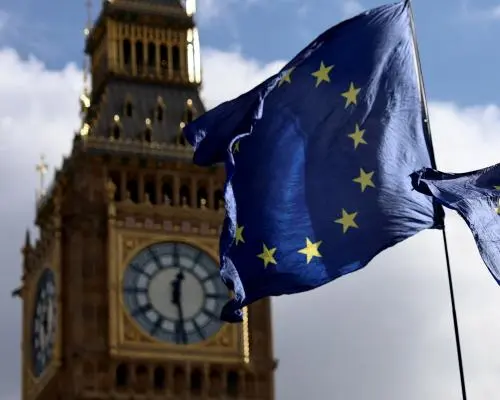
Why Clean‑Energy Collaboration Is Critical Now
Five EU heads of state—Germany, Belgium, the Netherlands, Luxembourg and Denmark—have written to European Commission President Ursula von der Leyen and Portuguese Prime Minister António Costa, urging tighter cooperation with the United Kingdom before the upcoming EU‑UK summit in Brussels. The letter, sent this week, stresses that joint action on clean‑energy projects could boost both economies and accelerate climate goals.
The signatories argue that post‑Brexit Britain remains a key player in the continent’s energy transition. By sharing technology, grid infrastructure and investment, they say the UK can help the EU meet its 2030 emissions targets while securing reliable power supplies. The appeal comes as Europe grapples with rising energy prices and the need to replace fossil‑fuel plants. Leaders note that Britain’s offshore wind capacity and nuclear expertise complement the EU’s ambitious renewable agenda, creating a win‑win scenario.
In the letter, the five ministers cite recent data showing that renewable generation in the EU fell short of projected levels last year, while the UK exceeded its offshore wind output goals. They point to joint research programmes under the Horizon Europe framework that could be expanded to include British universities and firms. „A coordinated approach will lower costs, speed up deployment and enhance energy security for both sides,” one minister wrote. The appeal also references the EU’s Green Deal, which aims to cut emissions by at least 55 % by 2030, a target that could be more attainable with British participation.
Can the EU‑UK Summit Deliver Tangible Energy Deals?
Stakeholders question whether the summit in Brussels will move beyond rhetoric to concrete agreements. Critics warn that political friction over trade rules and regulatory alignment could stall progress. Yet the signatories remain optimistic, noting that previous bilateral deals on hydrogen and carbon capture have set precedents for deeper integration. Industry analysts expect that if the summit yields a framework for joint investment, billions of euros could flow into cross‑border projects, especially in the North Sea region where wind farms straddle national waters.
The push for closer ties signals a shift in European diplomacy, treating the UK less as a peripheral partner and more as an essential ally in the climate fight. If successful, the summit could reshape energy markets, create jobs, and reinforce the EU’s leadership on sustainability. Failure, however, might deepen the divide and leave both sides scrambling for alternative partners.
Frequently Asked Questions
What is the main goal of the EU‑UK summit? The summit aims to negotiate a comprehensive partnership on clean energy, covering joint investments, technology sharing, and regulatory cooperation to meet climate targets.
How could British offshore wind benefit the EU? The UK’s advanced offshore wind sector can supply expertise, supply chains, and electricity to neighboring EU countries, helping to fill gaps in renewable capacity.
What are the risks if the summit stalls? Delays could increase energy costs, slow progress on emissions reductions, and push both the EU and UK to seek partnerships elsewhere, weakening their strategic alignment.