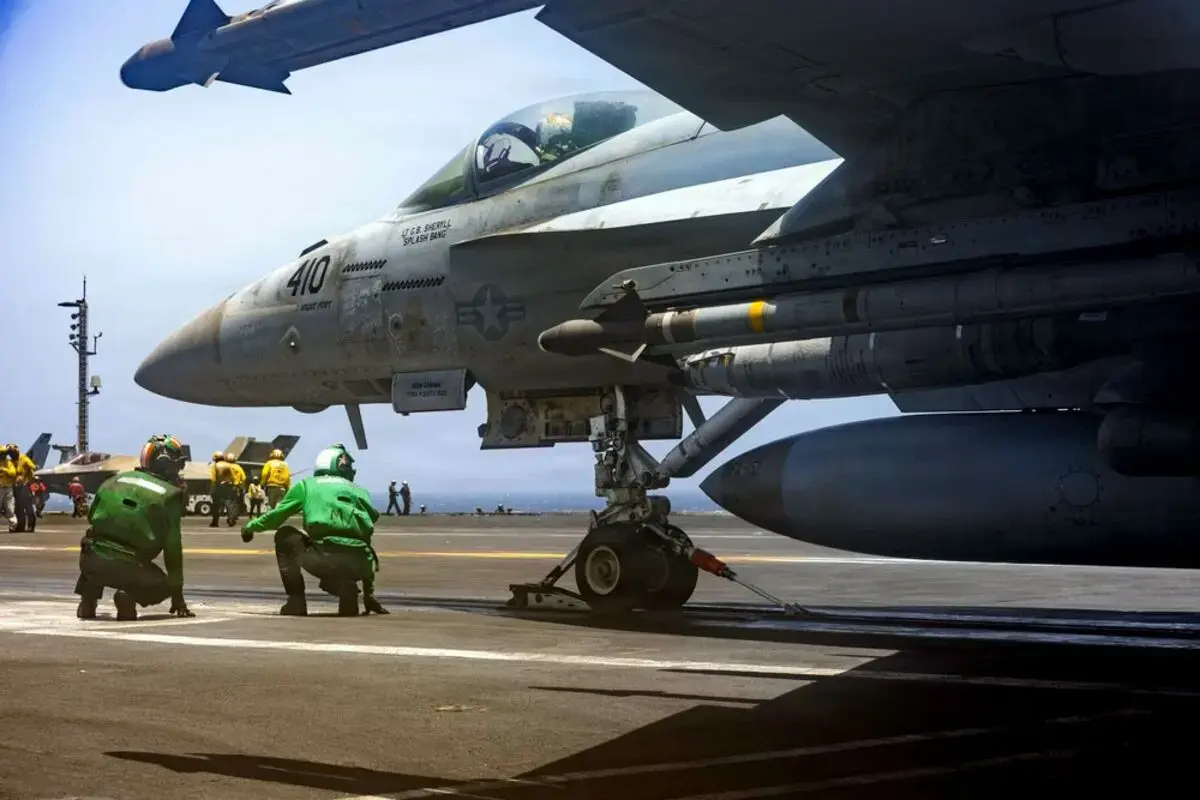
Rising energy costs tighten eurozone growth outlook
European stock exchanges slipped on Tuesday after Iran launched a series of missiles and a senior U. S. official hinted at a new sanctions round. The volatility hit the eurozone’s financial hubs, including Frankfurt, Paris and Milan. Traders cited the Iranian flare‑up and a recent comment by former President Donald Trump, who suggested the United States might end its diplomatic outreach to Tehran, as key triggers.
Analysts say the episode adds to an already fragile outlook for Europe’s economy. Energy prices surged, pushing the euro lower against the dollar. The European Central Bank warned that higher oil costs could reignite inflation pressures, complicating its policy roadmap. Officials in Brussels stressed that the market reaction reflects deeper uncertainty about the region’s geopolitical risk profile.
The price of Brent crude rose by more than three percent after Iran’s missile tests, according to market data. Higher fuel costs are expected to erode consumer spending across the bloc. „We see a direct link between the spike in oil prices and the slowdown in household consumption,” said Elena Rossi, an economist at the European Investment Bank. The ECB’s latest forecasts now show GDP growth slowing to 0.7 % for the year, down from a previous estimate of 1.1 %. Inflation is projected to hover near 4 %, above the bank’s 2 % target. Policymakers argue that any further escalation could force a premature tightening of monetary policy.
Will the flare‑up derail the EU’s inflation plan?
European officials are cautious about the potential impact on the EU’s price‑stability strategy. „We are monitoring the situation closely, but the core inflation trajectory remains anchored,” said Jean‑Michel Dupont, a senior adviser at the European Commission. Yet, market participants worry that sustained higher energy prices could push core inflation higher, limiting the ECB’s ability to keep rates low. The European Parliament’s budget committee warned that prolonged volatility might strain fiscal buffers in member states already grappling with high debt levels. If the situation escalates, the EU could consider coordinated emergency measures to stabilize energy markets.
The coming weeks will test Europe’s resilience. Analysts expect that if Iran’s actions remain limited, markets may regain composure. However, a broader regional conflict could deepen the shock, forcing policymakers to balance inflation control with growth support. For now, investors remain on edge, awaiting clearer signals from both Tehran and Washington.
Frequently Asked Questions
What triggered the recent market drop in Europe? The decline was sparked by Iran’s missile launch and a statement from former President Trump suggesting a shift in U. S. policy toward Tehran, raising geopolitical risk concerns.
How are rising oil prices affecting the euro? Higher oil prices increase import costs, weakening the euro against the dollar and adding upward pressure on inflation, which complicates the ECB’s monetary stance.
Can the EU mitigate the impact of the flare‑up? The EU can deploy emergency energy measures and coordinate fiscal support, but its effectiveness depends on the duration and intensity of the geopolitical tension.