Defending Judicial Sovereignty Against Political Pressure
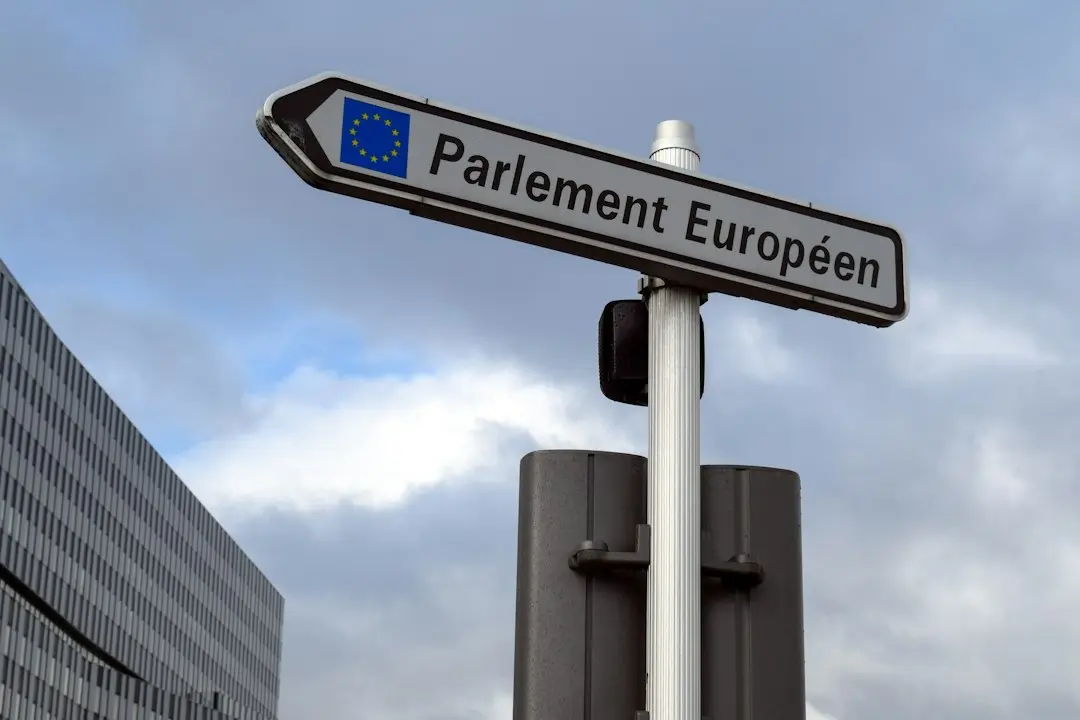
The European Parliament officially awarded the prestigious Sakharov Prize for Freedom of Thought to the International Criminal Court on Thursday. This decision serves as a significant gesture of international backing for the institution. The move comes as the court faces intense pressure following the imposition of sanctions by the United States.
Lawmakers in Brussels chose to honor the tribunal to reinforce its independence and global mandate. The prize recognizes the court’s ongoing efforts to pursue justice for grave human rights violations. By conferring this award, the European legislative body is signaling its firm opposition to external attempts to undermine the court’s judicial proceedings.
The International Criminal Court has recently navigated a period of extreme diplomatic tension. Washington previously implemented restrictive measures against the court and its personnel, aiming to impede its investigations into sensitive cases. These sanctions have sparked widespread concern among international legal experts regarding the safety and autonomy of the institution's prosecutors.
Will This Award Change the Stance of Global Powers?
European officials emphasized that the court remains a vital pillar of the international legal order. They argue that protecting the independence of such bodies is essential for maintaining global accountability. The Sakharov Prize, which has historically honored activists and organizations fighting for human rights, is now being used to shield the court from geopolitical interference.
The recognition is expected to bolster the court’s legitimacy in the eyes of its member states. However, it remains unclear whether the gesture will influence the current policy of the United States. Diplomatic analysts suggest that the award creates a clear divide between European policy and American efforts to restrict the court’s reach.
The long-term impact of this decision will likely manifest in how member nations provide resources and political protection to the court. As the institution continues its work, the support from the European Parliament provides a crucial moral and political shield. It ensures that the court can continue its investigations despite ongoing hostility from powerful non-member states.
Frequently Asked Questions
Why did the European Parliament choose the International Criminal Court for this award? The parliament selected the court to demonstrate support for its judicial independence. The move specifically counters recent American sanctions aimed at disrupting the court's operations.
What does the Sakharov Prize represent in this context? It symbolizes a commitment to freedom of thought and the protection of legal institutions. By awarding it to the court, the parliament highlights the necessity of holding perpetrators accountable without political interference.
How do sanctions affect the work of the court? Sanctions can restrict the movement of court officials and complicate the gathering of evidence. They are intended to pressure the institution to limit its scope of investigations.