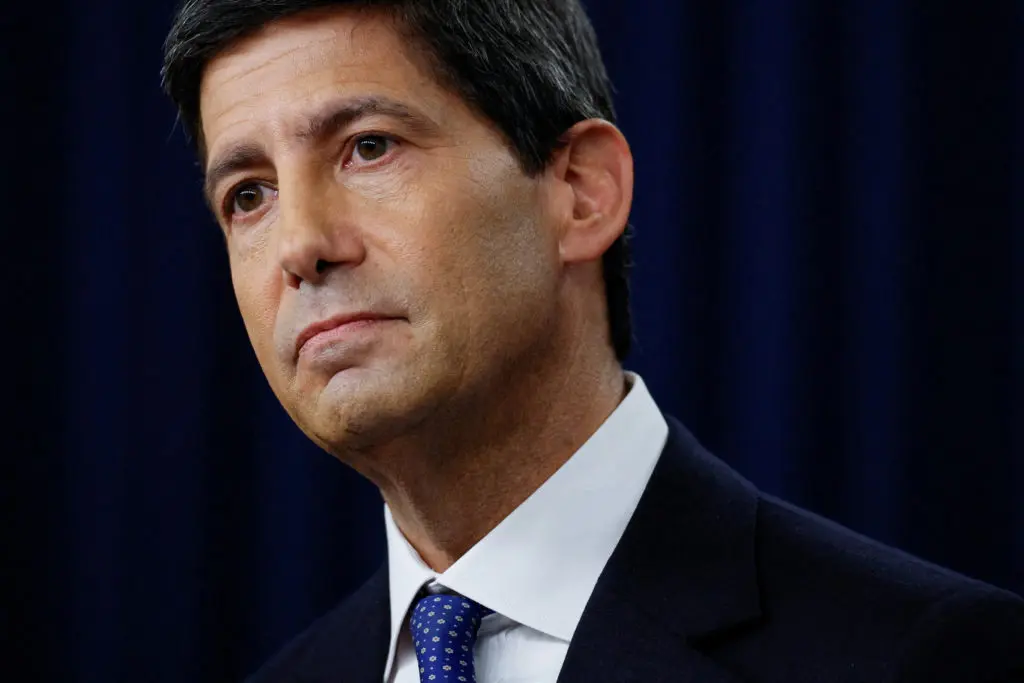
Fed Holds Rates as Warsh Faces Criticism
The Fed expects to keep rates unchanged on Tuesday. This decision follows months of rising inflation. The Iran war triggered sharp spikes in oil and natural gas prices. Warsh will explain the reasoning behind this hold.
This monetary policy meeting occurs less than a week before midterm elections. Cost of living and consumer goods affordability are central electoral issues. Consumers are increasingly frustrated by rising prices. Gasoline, food, and clothing costs have surged.
The Fed under Warsh aims to return inflation to its 2% target. This goal is achievable through short-term rate hikes. Higher borrowing costs can cool consumption. They also slow long-term price growth. Last month, the Fed raised its key rate for the first time in three years. It moved from about 3.6% to 3.9%. Many analysts saw this as the first step in a new anti-inflation campaign.
Warsh faces several challenges in reaching this goal. President Donald Trump sharply criticized the Fed for last month’s rate hike. He directed his anger more at the rate-setting committee than at Warsh, whom he appointed. Some inflation drivers, like rapid AI infrastructure expansion and rising energy prices, are not easily controlled by rate hikes.
Challenges Ahead
Meanwhile, other parts of the economy are already hit by higher rates. These rates were imposed by market forces before the Fed raised them last month. The average 30-year mortgage rate hit a three-year high of 7.4% early this month. It has since eased slightly. According to Oxford Economics, rising mortgage rates have made home ownership unaffordable for 5 million more Americans since the start of the year. Long-term, Fed rate hikes can raise costs for mortgages, auto loans, and credit cards. This intensifies the public feeling that homes and cars are becoming increasingly expensive.
After announcing the rate decision, Warsh will answer journalist questions. His words will be closely analyzed for clues about the Fed’s next steps. He will likely reiterate the Fed’s desire for a „faster” return of inflation to 2%. Some observers may interpret this as a signal that the Fed will raise its key rate at the next meeting in December. This move is already widely expected by Wall Street investors.
If the Fed holds rates steady, Warsh must explain why the central bank raised rates in September but not this month. Inflation accelerated in September. Consumer prices rose 3.7% year-over-year. This jump is much larger than the 2.4% recorded in February, just before the Iran war. On a monthly basis, the Consumer Price Index rose 0.3% in both August and September. At this annualized pace, inflation would rise much faster than the Fed’s 2% target.
What to Expect at the Briefing
On Thursday, another inflation indicator, the Personal Consumption Expenditures Price Index, is expected to jump 3.6% year-over-year in September. This is up from 3.4% in August. Core prices, excluding food and energy, are estimated at 3.1%, up from 3% the prior month.
Aditya Bhave, head of US economics at Bank of America, said economists and the Fed have become too complacent about above-target inflation. He emphasized that higher oil and gas prices will keep inflation elevated for months. Rising diesel costs will make transport more expensive for nearly all goods, spreading inflationary pressure across the economy.
„If the Fed doesn’t take this problem more seriously and stops making excuses for inflation, we believe we won’t return to 2% until the next recession,” Bhave said.
Warsh will likely keep Tuesday’s press conference relatively short. Last month’s briefing lasted about 30 minutes.