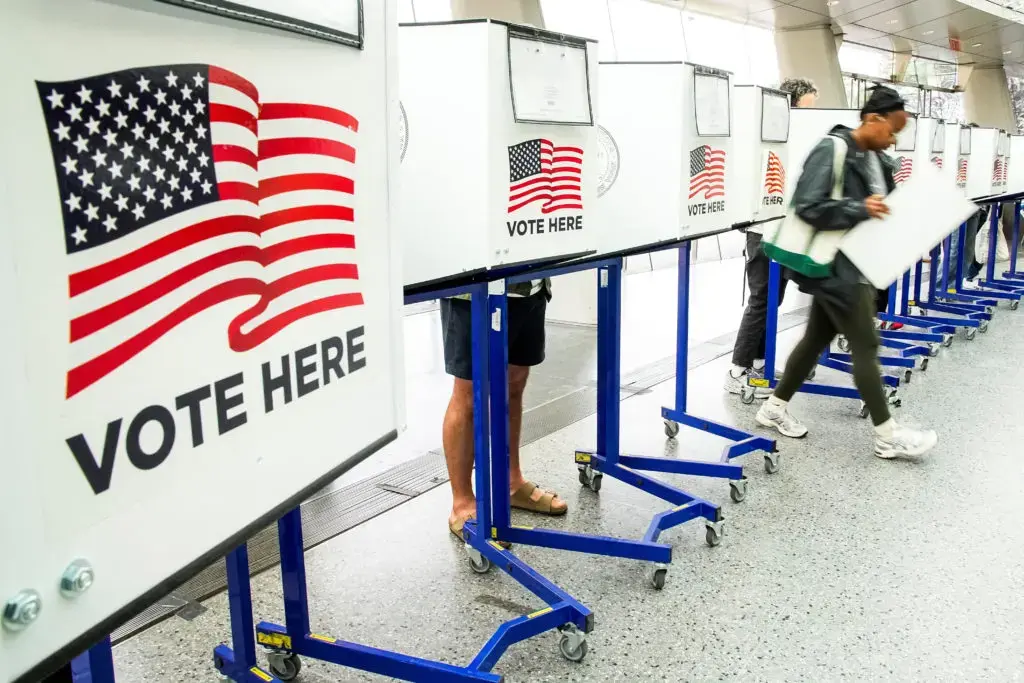
Challenging Voting Restrictions
A federal judge in Boston has blocked a Trump administration rule that would have required proof of citizenship to vote. The decision was made by Judge Denise Casper, effectively turning a preliminary order into a permanent injunction. The rule was part of a broader effort by the administration to tighten voting regulations.
The judge's ruling was in response to a lawsuit filed by several organizations, including the League of United Latin American Citizens. They argued that the rule would disenfranchise eligible voters, particularly those from minority communities. Casper agreed, stating that the rule would likely cause irreparable harm to these groups.
The Trump administration had argued that the rule was necessary to prevent non-citizens from voting. However, critics countered that there was no evidence to support this claim, and that the rule was instead aimed at suppressing voter turnout.
Can Voting Rules Be Changed So Easily?
The ruling highlights the ongoing debate over voting regulations in the United States. While some argue that stricter rules are necessary to maintain election integrity, others claim that they are used to disenfranchise certain groups.
The decision is likely to have significant implications for the upcoming elections, as it ensures that eligible voters will not be turned away due to lack of documentation.
Frequently Asked Questions
What was the main argument against the rule? The main argument was that it would disenfranchise eligible voters, particularly from minority communities.
What was the judge's The judge ruled that the rule would cause irreparable harm to eligible voters.
What are the implications of this decision? The decision ensures that eligible voters will not be turned away due to lack of documentation in the upcoming elections.