Addressing the Roots of Public Anger
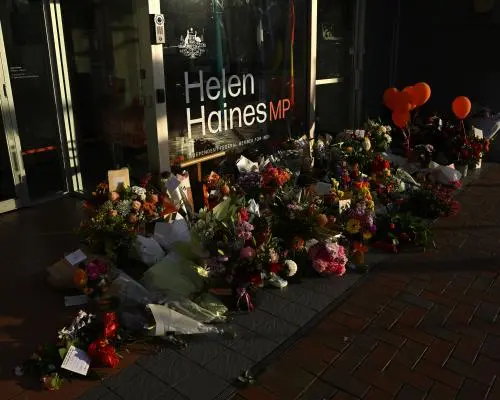
Federal parliament commences on Monday morning with official speeches paying tribute to Helen Haines. This event in the national capital serves as a rare unifying moment for an increasingly bitter and unpleasant political environment. Lawmakers frequently talk about cooling tensions and fostering civil discourse, but the true test lies in altering their daily conduct.
Political leaders often urge their colleagues to turn down the temperature and treat each other with greater respect. However, these noble sentiments rarely translate into meaningful behavioral shifts within the debating chamber. The hostile atmosphere persists because systemic pressures and intense partisanship continue to drive aggressive rhetoric among elected officials.
Will Canberra Finally Listen to Struggling Citizens?
Surface-level appeals for civility fail to address the deeper grievances fueling public resentment toward traditional politics. Persistent poverty, declining healthcare access, and food insecurity create an undercurrent of genuine fury among everyday citizens. Politicians must look beyond the Canberra bubble to understand why voters feel so deeply alienated and abandoned.
When basic survival needs go unmet, public trust in democratic institutions inevitably collapses. Lawmakers can exchange pleasantries in parliament, but this superficial kindness does nothing to alleviate the economic distress felt in regional and metropolitan communities alike.
Frequently Asked Questions
The fundamental question is whether parliamentarians will prioritize structural reform over partisan gamesmanship. Ignoring systemic poverty and health crises while focusing solely on parliamentary manners will only deepen public cynicism. Real leadership requires tackling these uncomfortable economic realities head-on rather than hoping polite speeches will pacify a frustrated electorate.
As the new parliamentary sitting begins, the spotlight remains on whether politicians can bridge the gap between their rhetoric and reality. Lasting political stability depends entirely on addressing the severe socioeconomic hardships driving widespread public anger today.