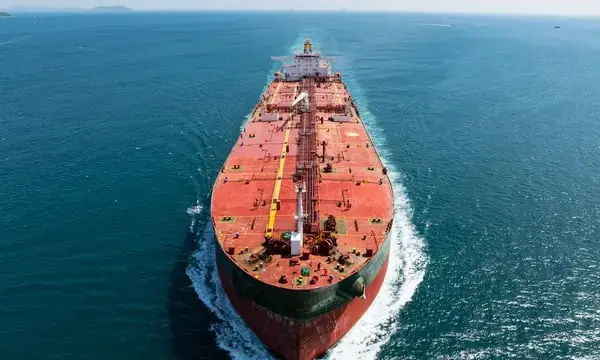
Uncovering Sanctioned Oil's Pathways
Sanctioned oil continues to flow through complex networks, evading isolation efforts. Global trading hubs like Singapore are key to understanding this phenomenon. The oil trade has become increasingly fragmented, with various players involved in circumventing restrictions.
The geopolitics behind this issue is complex, involving multiple countries and trading networks. Despite efforts to curb the flow of sanctioned oil, it continues to move through parallel trading networks. This has significant implications for global energy markets and the effectiveness of economic sanctions.
Can Sanctions be Effective in a Fragmented Market?
Sanctioned oil is often disguised as originating from other countries, making it difficult to track. Traders use various tactics to conceal the origin of the oil, including using shell companies and complex shipping routes. As a result, the true extent of sanctioned oil in the global market is hard to determine.
The involvement of various countries and trading networks has created a cat-and-mouse game, with sanctions enforcement agencies struggling to keep up. Singapore, as a major trading hub, plays a crucial role in the global oil trade, and its stance on sanctioned oil has significant implications.
The continued flow of sanctioned oil raises questions about the effectiveness of economic sanctions in a complex, globalized market. As long as there are loopholes and willing traders, sanctioned oil will continue to find its way into the market.
Frequently Asked Questions
The consequences of this situation are far-reaching, with potential impacts on global energy prices and the credibility of economic sanctions. As the situation continues to evolve, it remains to be seen how effectively governments and regulatory agencies can address the issue.
How does sanctioned oil evade detection? Sanctioned oil is often disguised as originating from other countries, and traders use complex shipping routes and shell companies to conceal its origin. What role does Singapore play in the sanctioned oil trade? As a major trading hub, Singapore is a key player in the global oil trade, and its stance on sanctioned oil has significant implications. Can economic sanctions be effective in a fragmented market? The continued flow of sanctioned oil raises questions about the effectiveness of economic sanctions, highlighting the need for more robust enforcement mechanisms.