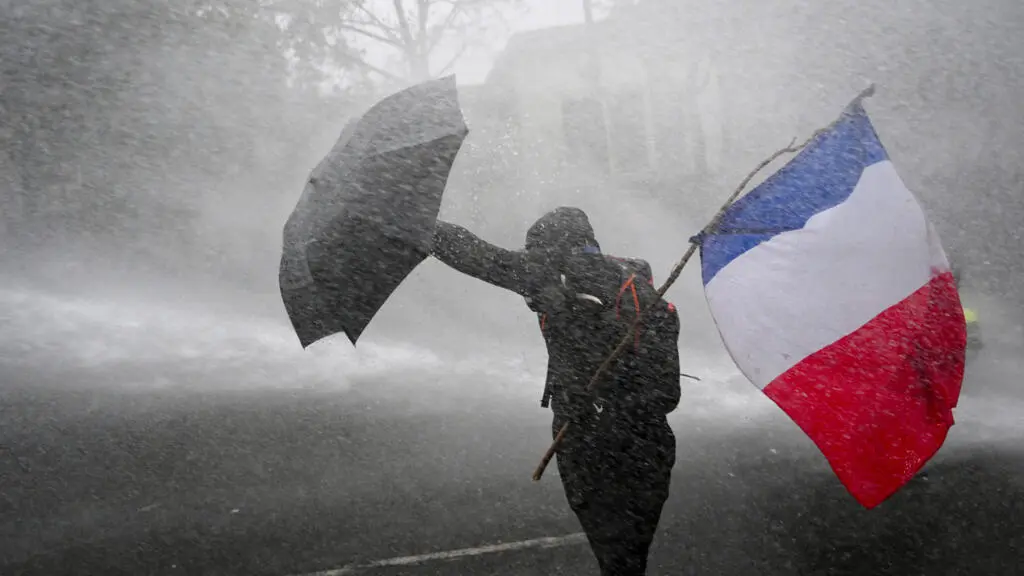
A Law From 2015 Now Targets Protesters
French authorities have been accused of using anti-terror legislation to keep dozens of protesters away from major demonstrations. The law was originally passed after the 2015 Paris attacks. Critics say the government is weaponizing it to suppress dissent.
Rights groups and lawyers are denouncing what they call an abuse of power. The practice involves labeling activists as terrorists to justify their removal from public spaces. This tactic aims to deter participation in the sweeping protests currently taking place across the country.
The anti-terror framework grants officials broad powers to classify individuals as security threats. Originally designed to combat organized terrorism, these powers are now being applied to civilian demonstrators. Authorities can label protesters as terrorists without a full trial. This allows for rapid detention and exclusion from protest zones.
Is the Government Silencing Dissent?
Critics argue this creates a chilling effect on public demonstrations. When people fear being labeled terrorists, they are less likely to attend protests. The government defends the move as necessary for maintaining public order during large gatherings.
The core question is whether this legal tool is being stretched beyond its original intent. Legal experts point out that the law was meant for genuine terrorist threats, not political protesters. Using it against demonstrators signals a shift in how France manages civil unrest.
The consequence is a growing divide between the state and the public. Protesters feel targeted, while the government claims it is protecting citizens. This tension could deepen as protests continue, with more people potentially labeled under the same legal framework.
Frequently Asked Questions
Why is France using anti-terror laws for protests? The government claims it is using the law to maintain order during large demonstrations. Critics say this is an overreach of the original 2015 legislation.
How many people have been labeled terrorists? Dozens of protesters have been affected by this practice. The exact number varies by protest event, but the trend is growing.
What is the likely outcome for future protests? If the practice continues, public participation may decline due to fear of legal consequences. This could reshape how France handles civil unrest in the coming months.