Digital Classrooms and Teacher Pay Rise
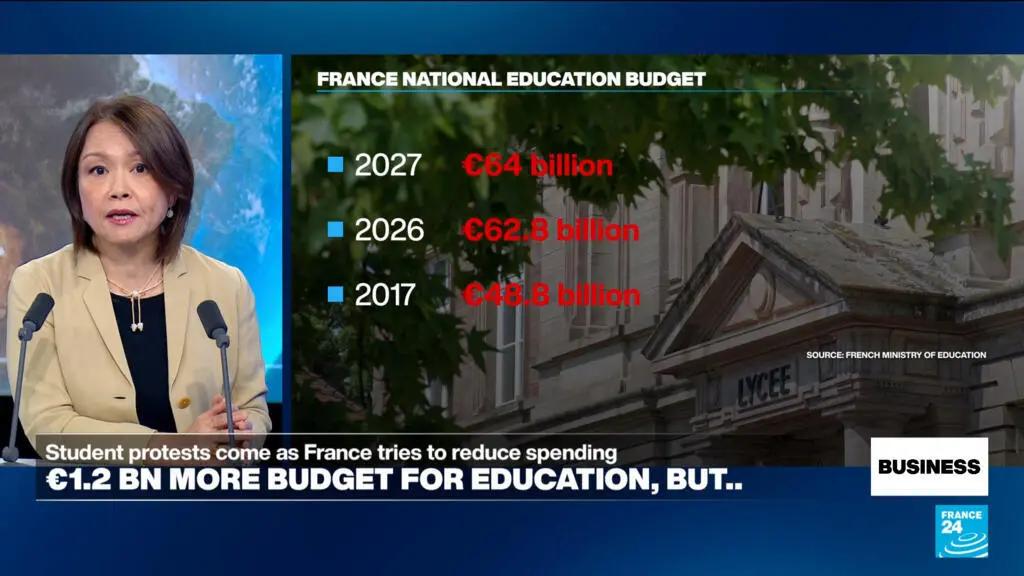
Paris – The French government announced this week that its annual spending on education has risen to €78 billion for the 2024 fiscal year, representing 5.6 % of the nation’s gross domestic product. The increase follows a series of reforms aimed at modernising schools, expanding early‑childhood programmes and boosting teacher salaries.
The budget boost reflects a broader European trend of allocating more resources to human capital. France’s Ministry of National Education said the funds will be split among primary, secondary and higher education, with a particular focus on digital infrastructure and vocational training. The move comes amid concerns that the country’s youth unemployment rate remains above the EU average, prompting policymakers to invest in skills that match labour‑market demands.
Under the new plan, €12 billion will be earmarked for upgrading school computers, high‑speed internet and interactive learning platforms. „Our classrooms must keep pace with the digital age,” said Education Minister Jean‑Michel Blanquer. The ministry also pledged a 3 % salary increase for teachers across the public system, aiming to attract and retain talent in a profession facing chronic shortages.
Will the Spending Gap Close the Skills Shortage?
Higher education institutions will receive an additional €9 billion to expand research facilities and support student mobility programs. Universities are expected to channel part of the funding into partnerships with industry, fostering innovation hubs that align curricula with emerging sectors such as renewable energy and artificial intelligence.
Despite the sizeable budget, critics argue that simply pouring money into the system may not solve structural issues. Labour unions warn that without reforms to reduce class sizes and streamline administrative burdens, the extra funds could be diluted. Moreover, regional disparities persist, with rural schools often lacking the resources available in urban centres.
Economists suggest that the effectiveness of the spending will hinge on transparent allocation and rigorous evaluation. „We need clear metrics to assess whether these investments translate into better outcomes for students and the economy,” noted Claire Dupont, a policy analyst at the Institut Montaigne. Early indicators show a modest rise in graduation rates, but long‑term impacts remain to be seen.
The heightened focus on education financing signals France’s commitment to building a knowledge‑based economy. As the country navigates post‑pandemic recovery, the success of this fiscal push will influence public confidence and shape future policy debates.
Frequently Asked Questions
How much of France’s total budget is dedicated to education? Approximately 5.6 % of the national budget, amounting to €78 billion for the 2024 fiscal year.
What are the main priorities for the new education funds? Key areas include digital classroom upgrades, teacher salary increases, and expanded support for universities and vocational training.
When will the additional resources be fully deployed? The Ministry aims to roll out the majority of the investments over the next two academic years, with periodic reviews to adjust allocations as needed.