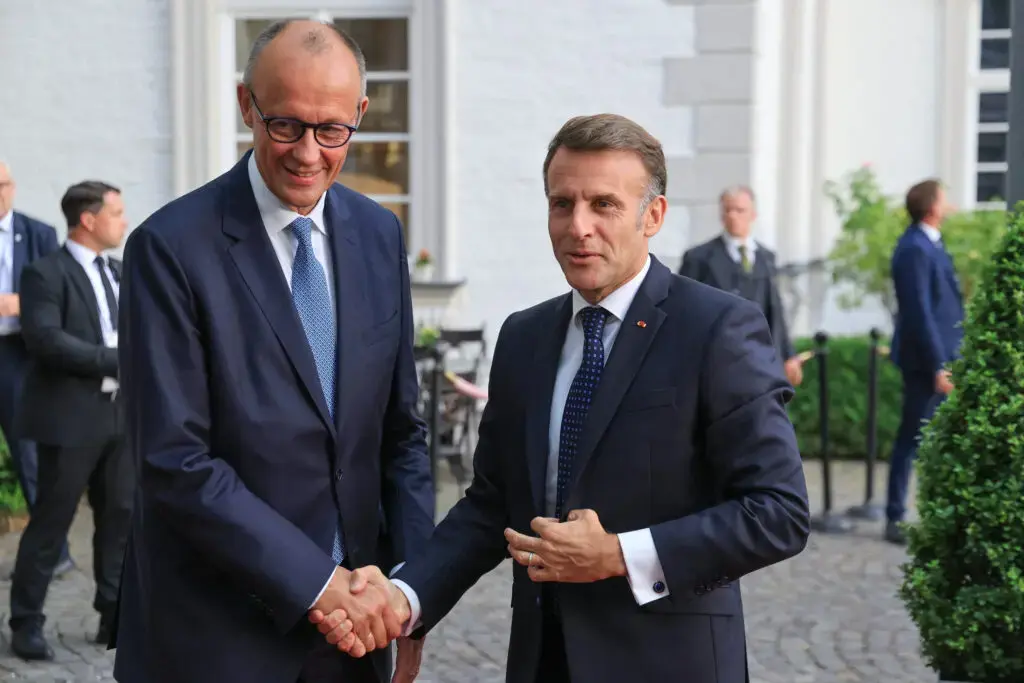
Mélenchon's Vision for European Power
Jean-Luc Mélenchon, a prominent far-left candidate in France's upcoming presidential election, seeks to redefine Europe. He intends to challenge the long-standing Franco-German partnership. This alliance has been a cornerstone of the European Union for decades. His victory could lead to significant shifts within the bloc's power dynamics.
Mélenchon's stance positions him alongside other candidates who are critical of the EU's current structure. He believes the existing relationship between France and Germany needs a radical overhaul. This approach contrasts sharply with traditional French foreign policy.
Mélenchon argues that the Franco-German engine has become too dominant. He suggests it stifles other member states' voices. His plan involves rebalancing power within the EU. This would give more influence to countries in Southern Europe.
What are the implications of challenging the Franco-German partnership?
He envisions a more multipolar Europe. This new structure would reduce the perceived German hegemony. Mélenchon's proposals are designed to shake up the established order. They aim to create a more equitable distribution of power among all EU members.
Challenging this foundational alliance could have profound consequences for the EU. It might lead to a period of instability and uncertainty. The partnership has historically driven integration and policy-making. Its disruption could slow down decision-making processes.
It could also encourage other member states to reassess their roles. This might foster new alliances or deepen existing divisions. Mélenchon's strategy represents a significant departure. It could reshape the very fabric of European cooperation.
Frequently Asked Questions
What is the significance of the Franco-German partnership? The Franco-German partnership has been the driving force behind European integration and policy. It has provided stability and leadership within the European Union for many years. This alliance is often seen as the core of the EU's political and economic direction.
How does Jean-Luc Mélenchon propose to change this partnership? Mélenchon aims to dismantle the perceived dominance of the Franco-German axis. He wants to rebalance power within the EU, giving more weight to other member states, particularly those in Southern Europe. His goal is a more multipolar and equitable European Union.
What could be the immediate effects of Mélenchon's proposed changes? If Mélenchon were to implement his plans, it could introduce significant instability and uncertainty within the EU. It might lead to a re-evaluation of existing alliances and potentially slow down critical decision-making processes across the bloc.