Targeted Tax Reforms to Boost Revenue
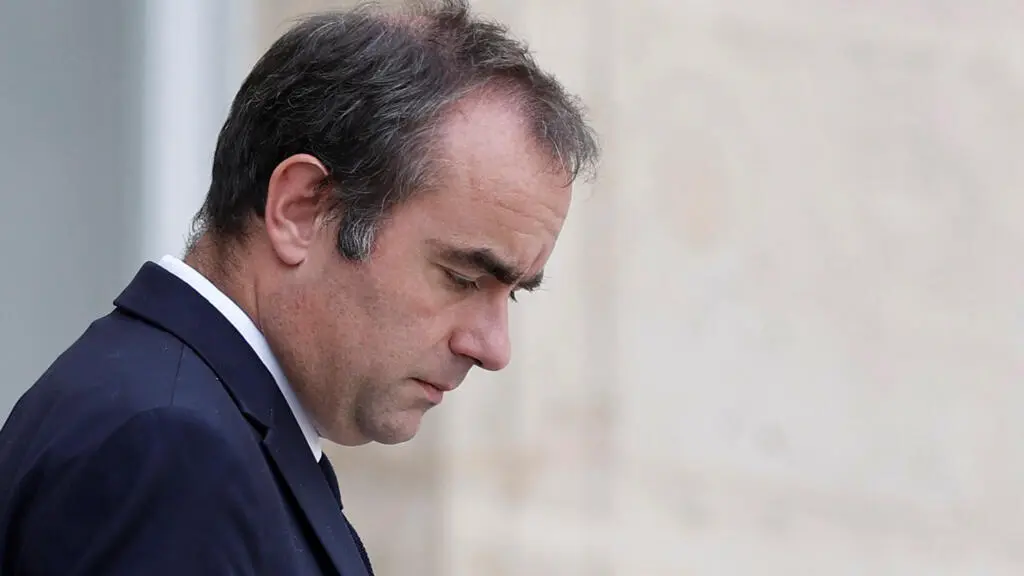
The French government will unveil its 2027 fiscal plan on Thursday, led by Prime Minister Sébastien Lecornu. The proposal aims to tighten spending, with a focus on public sector wage freezes and a restructuring of pension payments. The budget will also introduce new taxes on luxury goods and high‑income earners.
France’s finance ministry has highlighted the need to reduce the national deficit, which has risen to 6.5% of GDP in recent years. The proposed measures target public sector salaries, except for the lowest pensioners, and aim to cut overall expenditures by €20 billion. The plan also includes a 2% increase in the wealth tax and a new surtax on high‑value property sales.
Public Sector Wage Freeze: A Controversial Move
The budget introduces a 5% surtax on luxury items such as yachts, private jets, and high‑end watches. This measure is expected to generate €3 billion annually. Additionally, the wealth tax will see a 2% hike, raising €1.5 billion each year. The government argues that these changes will level the playing field and fund essential public services without overburdening middle‑class families.
Prime Minister Lecornu explained that the tax reforms are designed to address income inequality and to fund infrastructure projects, including high‑speed rail upgrades and renewable energy initiatives. „We must modernise France while ensuring fairness,” he said. The finance minister added that the new taxes will be phased in over three years to minimise market disruption.
Will the Measures Spur Economic Growth?
Under the new budget, all public sector wages will be frozen for the next two years, except for the lowest pensioners who will receive a modest increase. The freeze is projected to save €12 billion, helping to close the fiscal gap. Critics argue that the measure will dampen morale among civil servants and could lead to a talent drain.
Labor unions have called for negotiations, demanding that the freeze be limited to non‑essential services. The government, however, maintains that the wage freeze is a necessary compromise to keep France competitive. „We are making tough choices for the greater good,” Lecornu stated. The policy will take effect on January 1, 2028, with a review scheduled for 2029.
Frequently Asked Questions
Economists predict that the budget’s austerity measures could slow short‑term growth by 0.5% in 2028. However, they also note that the tax hikes on high‑income earners and luxury goods may stimulate investment in technology and green energy sectors. The European Central Bank has expressed support for France’s fiscal consolidation, citing its alignment with EU budgetary rules.
The government’s plan also includes a €5 billion stimulus for small businesses, aimed at offsetting the impact of wage freezes and tax increases. This package will focus on digital transformation and sustainability projects. Analysts suggest that, if implemented effectively, these incentives could boost employment in emerging industries.